What makes a Garden Room Usable All Year Round?
What makes a Garden Room suitable for all year use?
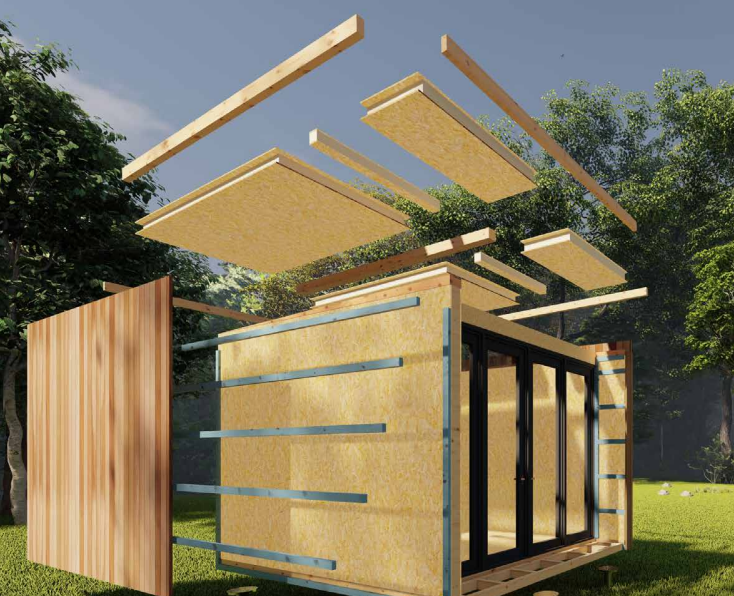
What Makes a Garden Room Usable All Year Round?
Not all garden rooms are designed for year-round use.
Some are perfectly fine in summer but quickly become cold, damp or uncomfortable once the weather changes. Others are designed properly from the outset and can be used comfortably every day of the year, even through winter.
In areas like Cumbria and the Lake District, where weather conditions can be more demanding, this difference matters even more.
So what actually makes a garden room usable all year round?
Insulation (the biggest factor)
A garden room is only as good as its insulation.
To work comfortably throughout the year, a garden room needs:
• Properly insulated walls, floor and roof
• Continuous insulation with no cold bridges
• A structure designed to retain heat, not just look good
Thin walls and minimal insulation might reduce upfront cost, but they’re usually the reason garden rooms become unusable during winter.
Airtight construction
Heat loss doesn’t just come from poor insulation — it also comes from air leakage.
A well-built, year-round garden room should:
• Be sealed properly at joints and connections
• Avoid gaps around doors and windows
• Use a structural system that works as a complete thermal envelope
Good airtightness keeps the space warm in winter, cooler in summer, and far more energy efficient.
Heating that actually works
A garden room designed properly doesn’t need excessive heating.
Common year-round heating options include:
• Electric panel heaters
• Underfloor heating
• Air-to-air heat pumps
When insulation and airtightness are right, heating costs stay low and predictable.
Windows, doors and glazing
Large areas of glazing can transform a garden room — but only if specified correctly.
For year-round comfort, glazing should be:
• Double or triple glazed
• Thermally broken
• Positioned to balance light, heat gain and privacy
Poor-quality glazing is one of the fastest ways to lose heat and compromise comfort.
Ventilation and moisture control
A usable garden room needs to stay dry as well as warm.
That means:
• Controlled ventilation
• Avoiding trapped moisture
• Using materials that manage moisture effectively
This prevents condensation, mould and long-term damage — a common issue in cheaper builds.
Foundations and build quality
Temporary foundations and lightweight frames often allow cold air to circulate beneath the building or lead to movement over time.
A properly designed base:
• Keeps the structure stable
• Improves thermal performance
• Extends the lifespan of the building
It’s one of the most overlooked parts of a garden room — and one of the most important.
Why not all garden rooms meet these standards
Many off-the-shelf garden room kits and pods are designed for:
• Seasonal use
• Quick installation
• Minimal upfront cost
That’s fine if you want a summer space.
It’s not fine if you want a garden room you can use every day of the year.
Our approach at Garden Room Design
We design and build garden rooms as proper buildings, not temporary structures.
Every project is:
• Insulated for genuine year-round use
• Designed around how the space will be used
• Built to perform long-term, not just look good
The result is a space that feels like a natural extension of your home — whatever the season.
The bottom line
If you want a garden room that works all year round, it needs to be designed and built properly from the start.
Insulation, airtightness and build quality matter far more than shortcuts or gimmicks.
Frequently Asked Questions
Can garden rooms be used in winter?
Yes — if they’re built properly. A well-insulated, airtight garden room with suitable heating can be used comfortably throughout winter, even in colder areas like Cumbria.
Are insulated garden rooms expensive to run?
No. When insulation and airtightness are done correctly, running costs are typically low and predictable. Poorly insulated buildings cost far more to heat. In fact, you'll wish your home was as efficient.
What insulation should a year-round garden room have?
A year-round garden room should have insulation to the walls, floor and roof, with continuous layers to avoid cold bridging. The structure should be designed as a complete thermal envelope. Any wall insulation under 70mm is to be avoided.
Can a garden room replace an extension?
In many cases, yes. A properly built garden room can provide high-quality, usable space with far less disruption and cost than a traditional extension.
Thinking about a year-round garden room?
If you’re comparing options or unsure what level of specification you need, we’re always happy to give clear, practical advice based on real experience.
Check out our FAQs www.gardenroomdesign.co.uk/faq
Garden Room Design
☎️ 01539 454313
Read through more articles
Below you'll find a steady stream of new blogs containing a wide array of information & updates. We're also more than happy to discuss any questions or queries via a phone call. Our social pages also have lots of useful videos and walkthroughs by the team.

.jpg)



.JPG)
Ready to imagine your own space?
Book your free, no-obligation design consultation today!
Book Your Consultation