What Is a Garden Room? The Honest Answer (And Why It Matters in Cumbria)
The term gets used loosely. Here is what it actually means, and why the specification matters more than most people realise.
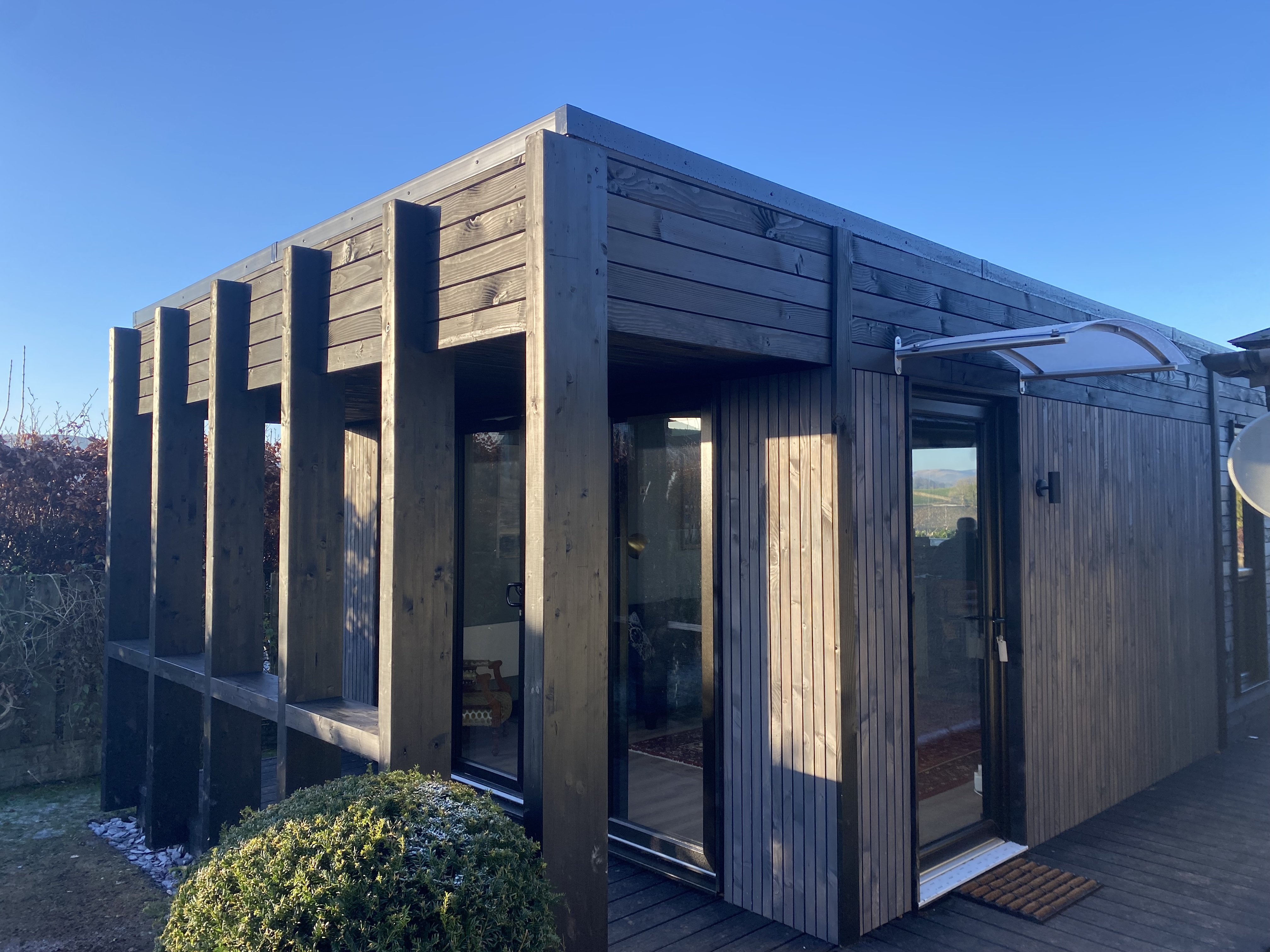
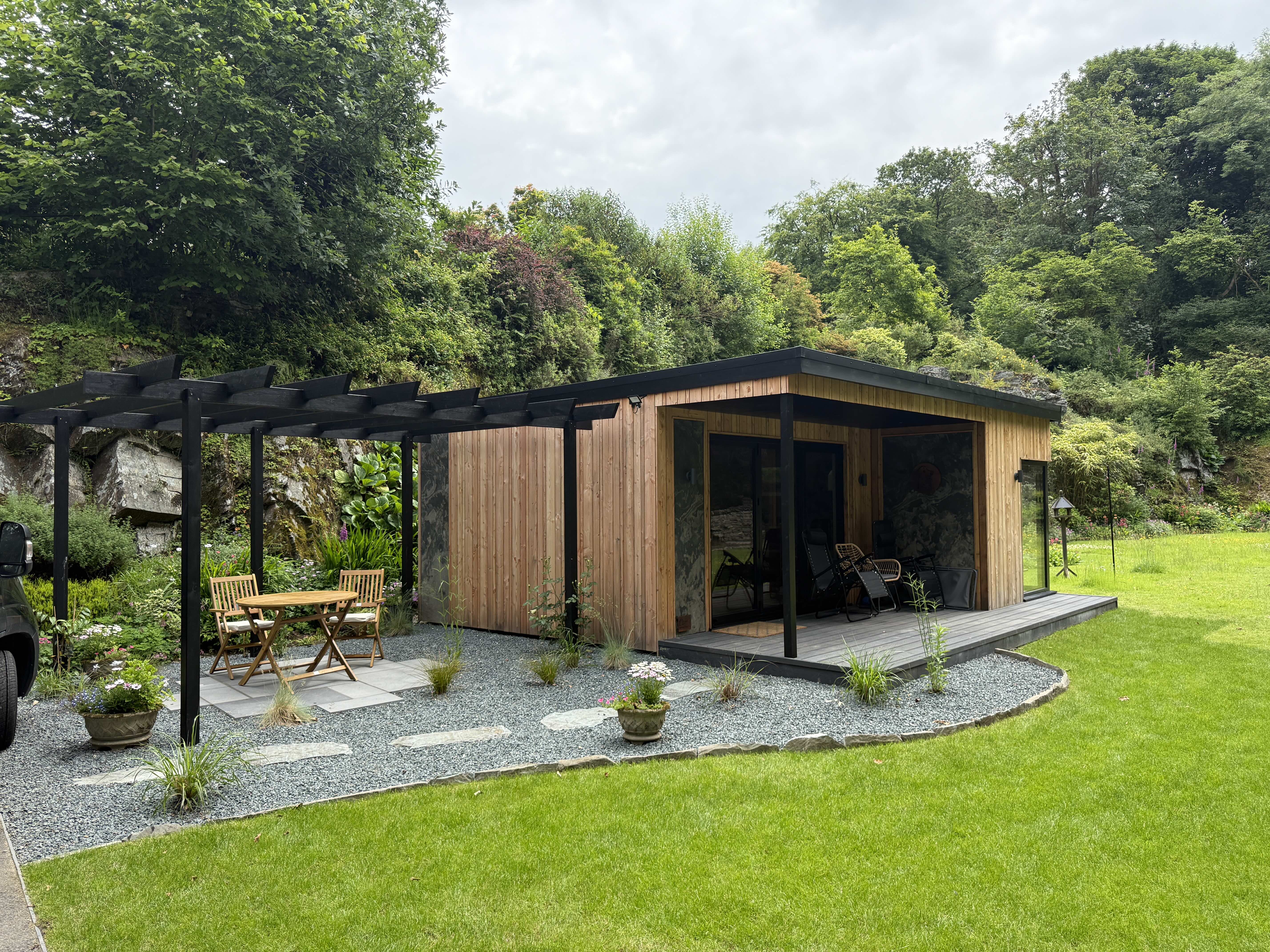
A garden room is a standalone, fully insulated building in your garden, designed for daily use all year round. It is not a shed, not a summer house, and not a conservatory. What separates it from those structures is not primarily the way it looks. It is the way it is built.
That distinction matters everywhere in the UK. In Cumbria and the Lake District, it matters considerably more.
The definition that most suppliers gloss over
The term garden room gets applied to a wide range of structures, from a flat-pack timber pod to a fully bespoke insulated building with foundations, certified electrics, and glazing specified for a wet, exposed climate. Both can be called a garden room. They are not the same thing.
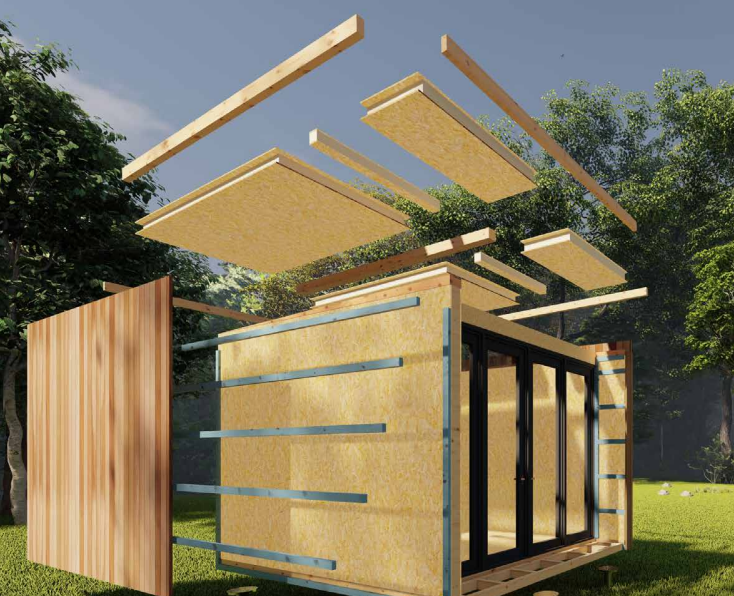
A properly built garden room shares more in common with a house extension than it does with a summer house. It uses the same principles of construction: insulated wall panels, a vapour barrier, thermally broken glazing, a properly designed floor-to-roof thermal envelope, applied to a detached structure. When it is done correctly, the space is indistinguishable in comfort from a room inside your home. When it is not, it will be cold by October and probably damp by February.
This is not a minor distinction. It is the difference between a space you use everyday and one you stop using when the weather turns.

How a garden room differs from a shed, summer house, and conservatory
Garden room vs shed
A shed is a storage structure. Single-skin timber walls, no insulation, no heating, no electrics as standard. It is designed to keep tools dry, not people comfortable. A garden room is designed for occupation, whether that is working, relaxing, exercising, or creating, and is built to a specification that makes that possible in January as well as July.
Garden room vs summerhouse
A summer house sits between a shed and a garden room in specification and intent. It typically has better aesthetics and more glazing than a shed, but it is designed primarily for seasonal use. Insulation is either absent or minimal. Most summer houses become genuinely uncomfortable from October to April. A garden room is built to eliminate that limitation entirely.
Garden room vs conservatory
A conservatory is attached to the main house. A garden room is detached. That difference affects planning, build cost, disruption, and how the space feels to use. Conservatories also have a long history of temperature problems, too hot in summer and too cold in winter, because predominantly glazed structures are difficult to insulate effectively. A properly specified garden room has none of those problems. It is built with solid walls, a proper roof, and glazing selected to balance light with thermal performance.
Garden room vs extension
A house extension is structurally connected to the main building and typically requires planning permission and building regulations approval regardless of size. A garden room is a detached outbuilding and in most cases falls under permitted development rights, meaning no planning application is needed. It is also faster to build, less disruptive to the main house, and significantly cheaper for an equivalent floor area. We cover this in more detail in our garden room cost guide.
What a garden room needs to actually be one
If a structure is going to function as a garden room rather than just be called one, it needs the following to be done properly.
Insulation throughout
Walls, floor, and roof, all three, continuous, with no cold bridges. Wall insulation under 70mm is inadequate for year-round use in most of the UK. In Cumbria, where temperatures are lower and humidity is persistently high, the standard needs to be higher still. We use rigid PIR boards rather than mineral wool in our builds because they maintain performance under moisture exposure. You can read more about what insulation actually requires in our year-round usability guide.
Proper foundations
A temporary base or shallow frame might keep a structure upright but it will allow cold air to circulate beneath the floor and can lead to movement overtime. A garden room needs a foundation specified for the site, whether that is ground screws, a concrete pad, or a full slab, depending on ground conditions and load. In Cumbria, where soil types vary significantly across the county, this is not a decision that should be made before a site visit.
Certified electrics
Any garden room intended for regular use needs a proper electrical installation:mains supply, consumer unit, certified by a Part P qualified electrician. This is not optional if the building is going to be used as a workspace, gym, or any space where heating and lighting are needed. It also matters for insurance purposes and for future property sale.
Double glazing as a minimum
Single-glazed windows and doors lose heat rapidly and create cold surfaces that cause condensation. Double glazing with thermally broken frames is the baseline for a year-round garden room. In particularly exposed positions, triple glazing is worth considering.

Why it matters more in Cumbria and the Lake District
Parts of the Lake District receive over 2,000mm of rainfall annually. Wind-driven rain, persistent low temperatures through winter, and high humidity test building materials and construction details in ways that sheltered, drier parts of the UK simply do not.
A garden room specification that performs adequately in the Home Counties will not perform the same way here. Cladding that holds up in a dry Surrey suburb deteriorates faster in sustained Cumbrian damp. Insulation that delivers its theoretical U-value in a controlled environment may underperform when moisture is a constant factor. Foundations that are adequate on stable well-drained ground may not be appropriate on the varied and sometimes waterlogged terrain found across this region.
We build in this climate every week. That shapes every decision we make about materials, specification, and detailing, not to make our builds more expensive, but to make them perform as advertised over a twenty-year lifespan rather than a three-year one. If you have questions about why cheaper garden rooms often cost more in the long run, that post explains it plainly.
What a garden room is used for
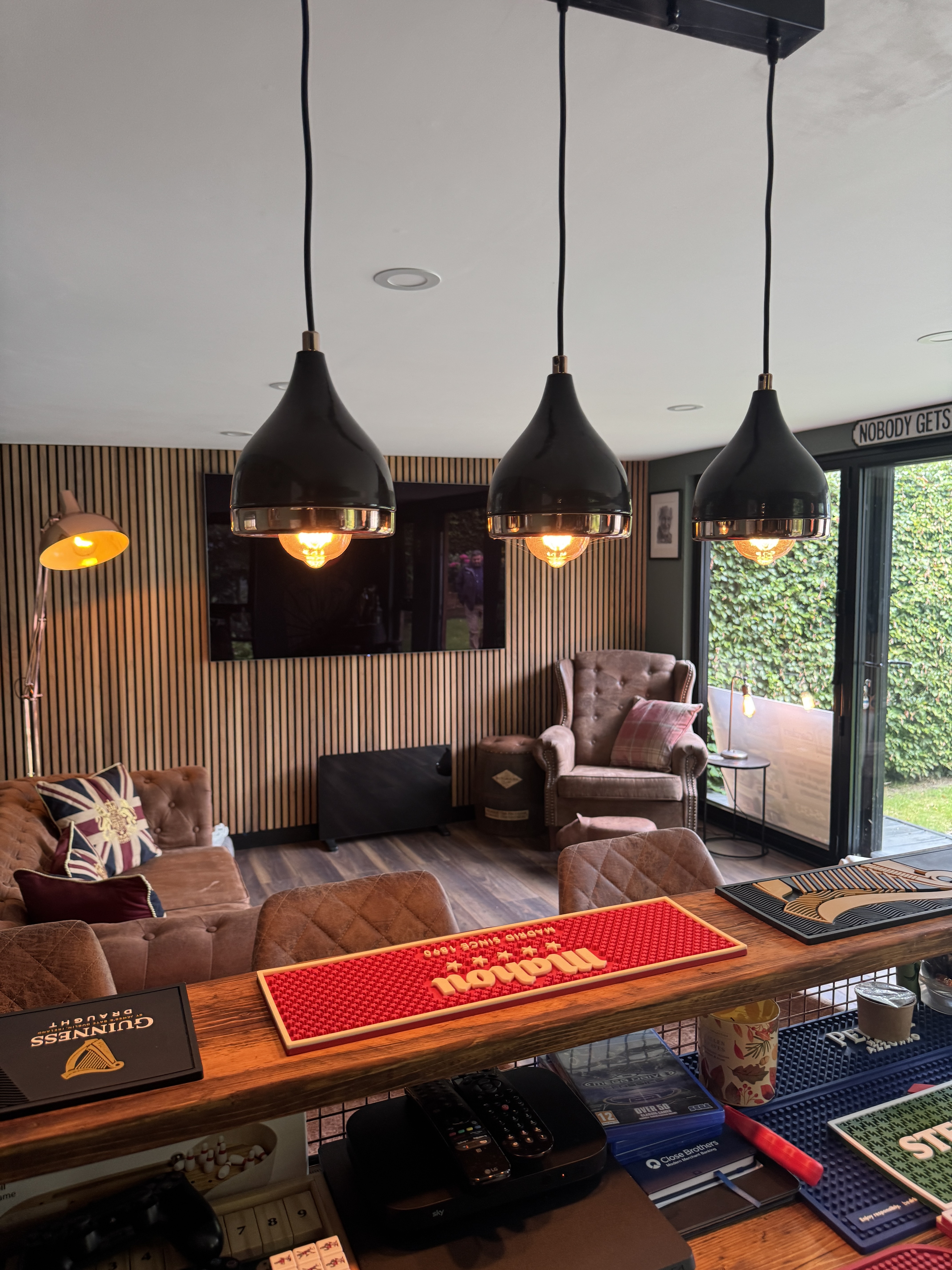
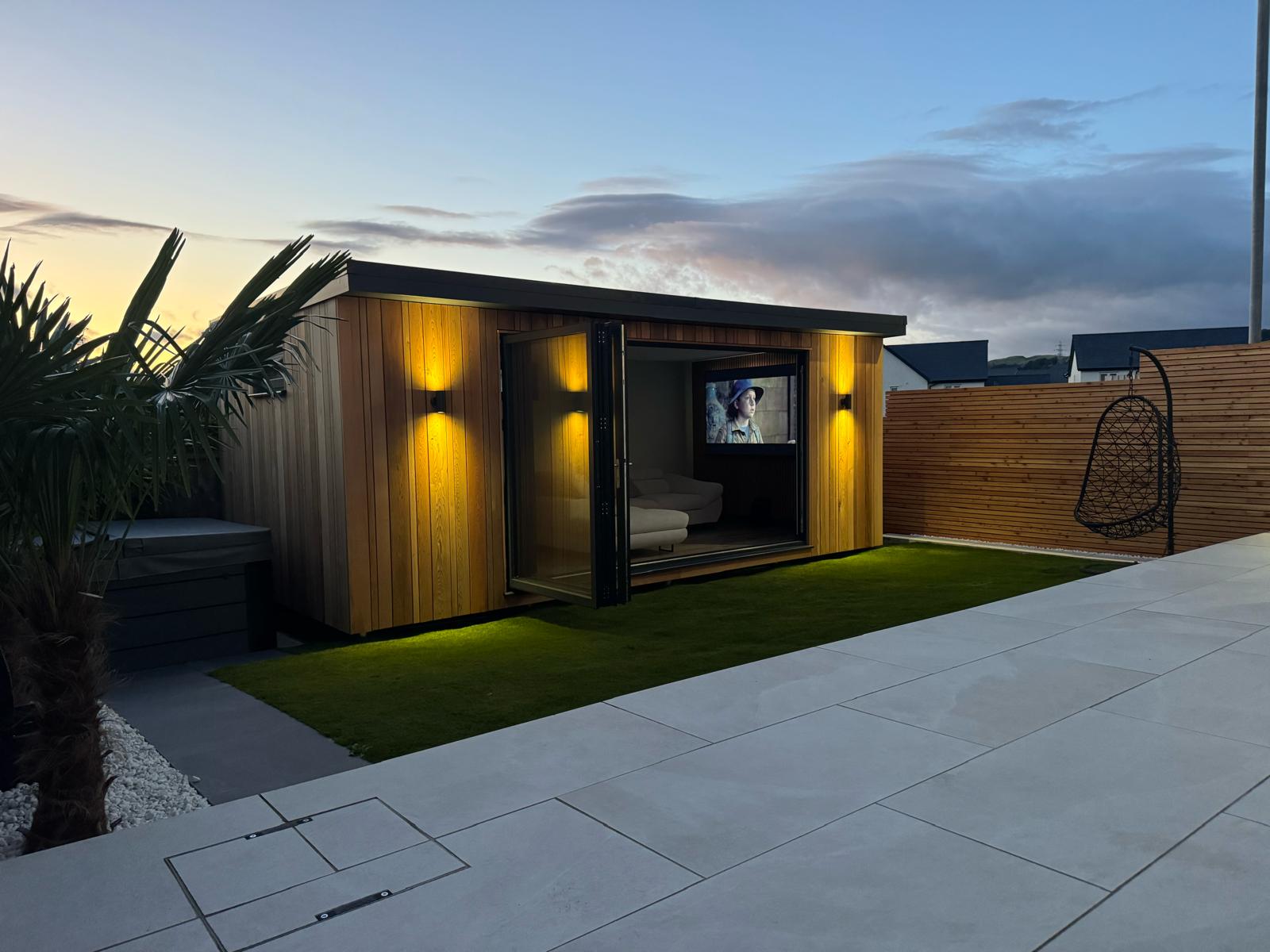
Because a properly built garden room functions as a genuine room, it can be used for almost anything a room inside a house can be used for. The most common uses we see are home offices and studios, followed by gyms, creative spaces, and, for some properties in Cumbria, guest accommodation or holiday letting. We also design and build spaces for commercial hospitality and leisure use, where the spec requirements are higher still.
The physical separation from the main house is frequently cited as one of the most valued aspects of a garden room. For people working from home, it creates a genuine boundary between work and home life. For hobbies, exercise, or creative work, it provides a space that is dedicated and distraction-free in a way that a repurposed spare room rarely is.
FAQ
Is a garden room the same as a garden office?
A garden office is a garden room used primarily for work. The building itself is the same: a properly insulated, year-round structure. The term garden office refers to the intended use rather than a different type of building.
Does a garden room need planning permission?
Most garden rooms in England fall under permitted development rights and do not require a planning application, provided they meet specific criteria on size, height, and siting. In the Lake District National Park and other designated areas, the rules are more restrictive. We cover this in full in our planning permission guide for the Lake District.
How long does a garden room last?
A properly built garden room, using appropriate materials and maintained normally, should last 25 to 30 years or more. The lifespan of cheaper builds is considerably shorter, largely because of inadequate insulation, lower-grade cladding, and insufficient foundations. In Cumbria's climate, the difference between a well-specified and a poorly specified build becomes apparent faster than it would elsewhere.
Ifyou are at the early stage of researching what a garden room involves, we are happy to talk it through. No pressure, just practical advice from people who build them here every week.
info@gardenroomdesign.co.uk
01539454313
Read through more articles
Below you'll find a steady stream of new blogs containing a wide array of information & updates. We're also more than happy to discuss any questions or queries via a phone call. Our social pages also have lots of useful videos and walkthroughs by the team.

.jpg)



.JPG)
Ready to imagine your own space?
Book your free, no-obligation design consultation today!
Book Your Consultation