Garden Room vs Extension in Cumbria: Which One Actually Makes Sense?
Moving house in the UK is expensive. Once you factor in estate agent fees, conveyancing, stamp duty, surveys and removal costs, you're typically looking at somewhere between £10,000 and £15,000 before you've even put the kettle on in a new place. That's before any work you'd need to do on the property itself.
So it's no surprise that more homeowners across Cumbria and the Lake District are choosing to improve what they already have, rather than uproot altogether, especially given the current property market.
The question then becomes: what's the right way to add space? A traditional brick extension, a loft conversion, a conservatory, or a garden room? Each option has its place, but they're not equal. Especially in this part of the country, where ground conditions and planning constraints in the Lake District National Park authority all add variables.
Here's an honest breakdown of how the options compare.
The Cost of Moving vs. The Cost of Building
Moving house in the UK in 2026 costs somewhere between £12,000 and £15,000 on average once you add up stamp duty, conveyancing, estate agent fees, surveys and mortgage costs. That's before you've done a single thing to the new property. For many homeowners in Cumbria, that figure alone makes a strong case for improving what you already have.
Why More Cumbrian Homeowners Are Choosing Garden Rooms
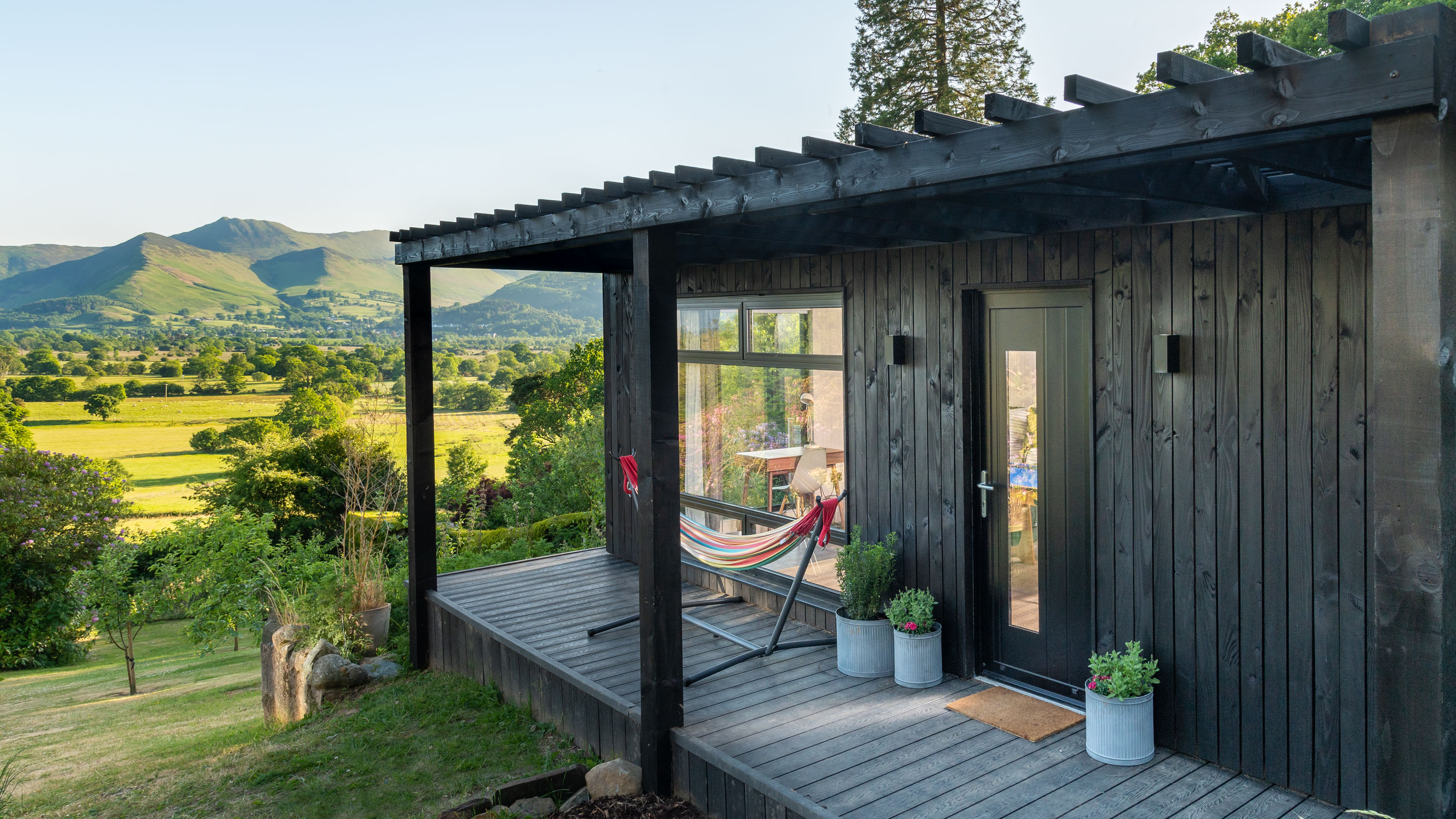
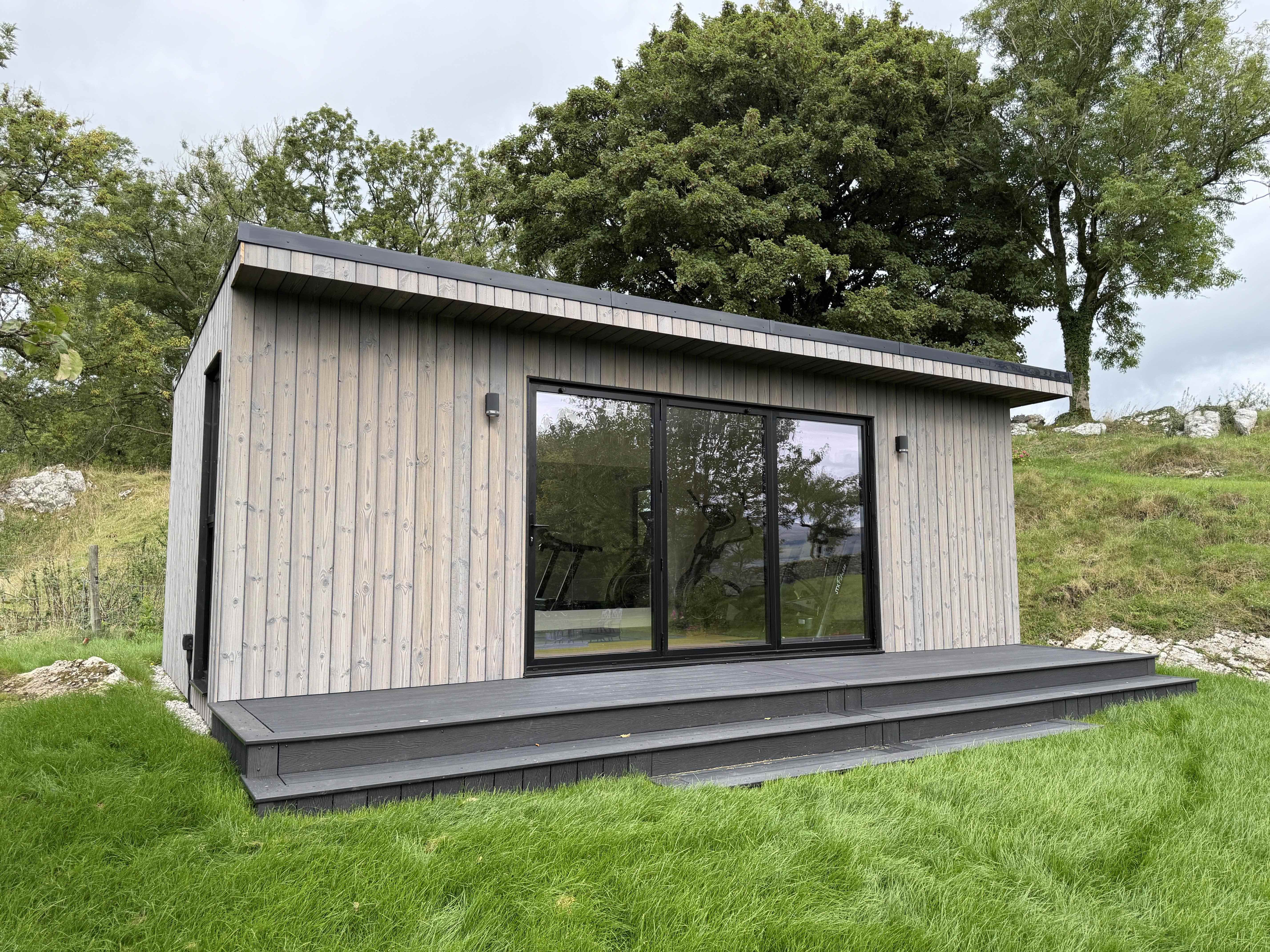
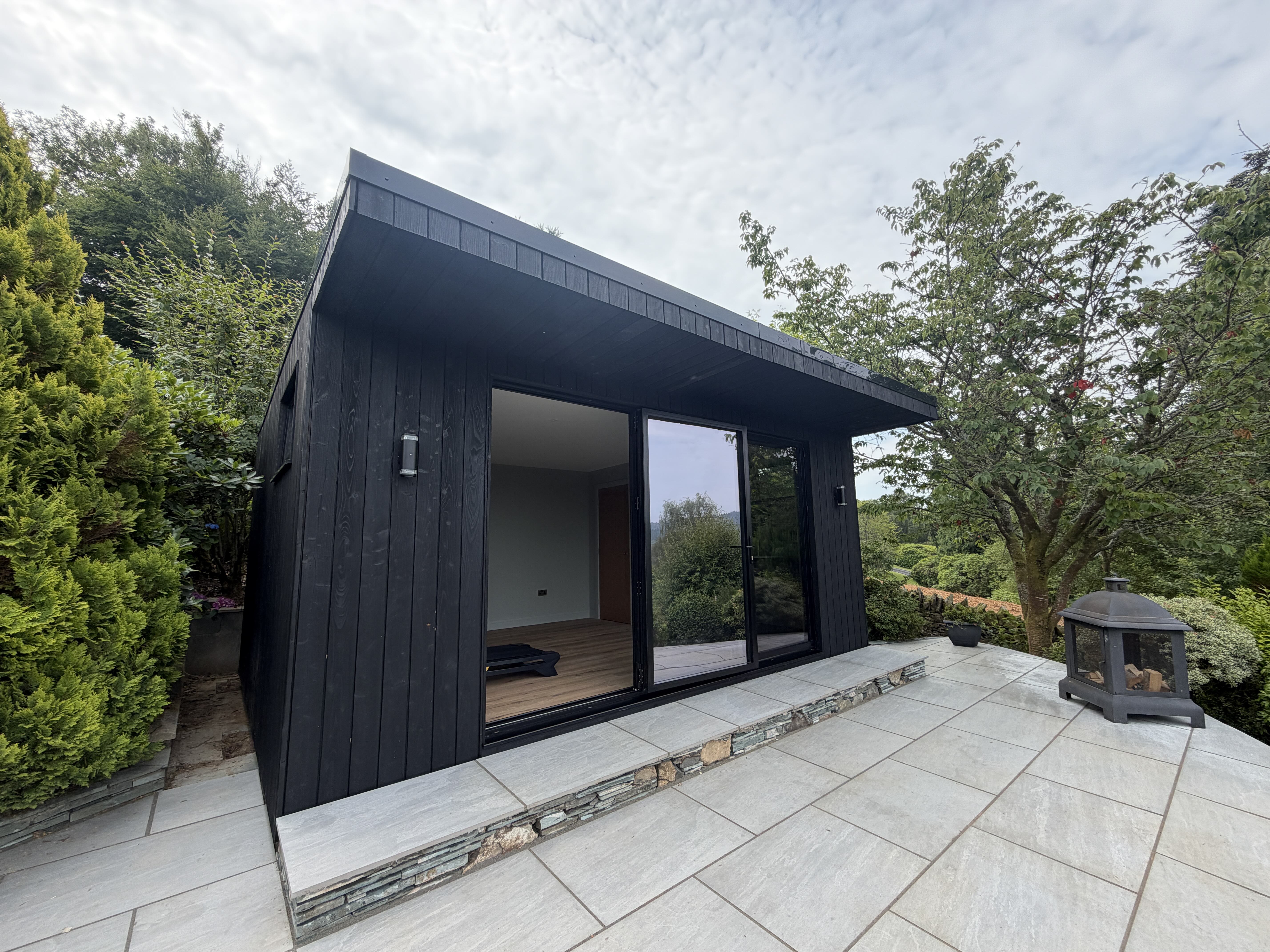
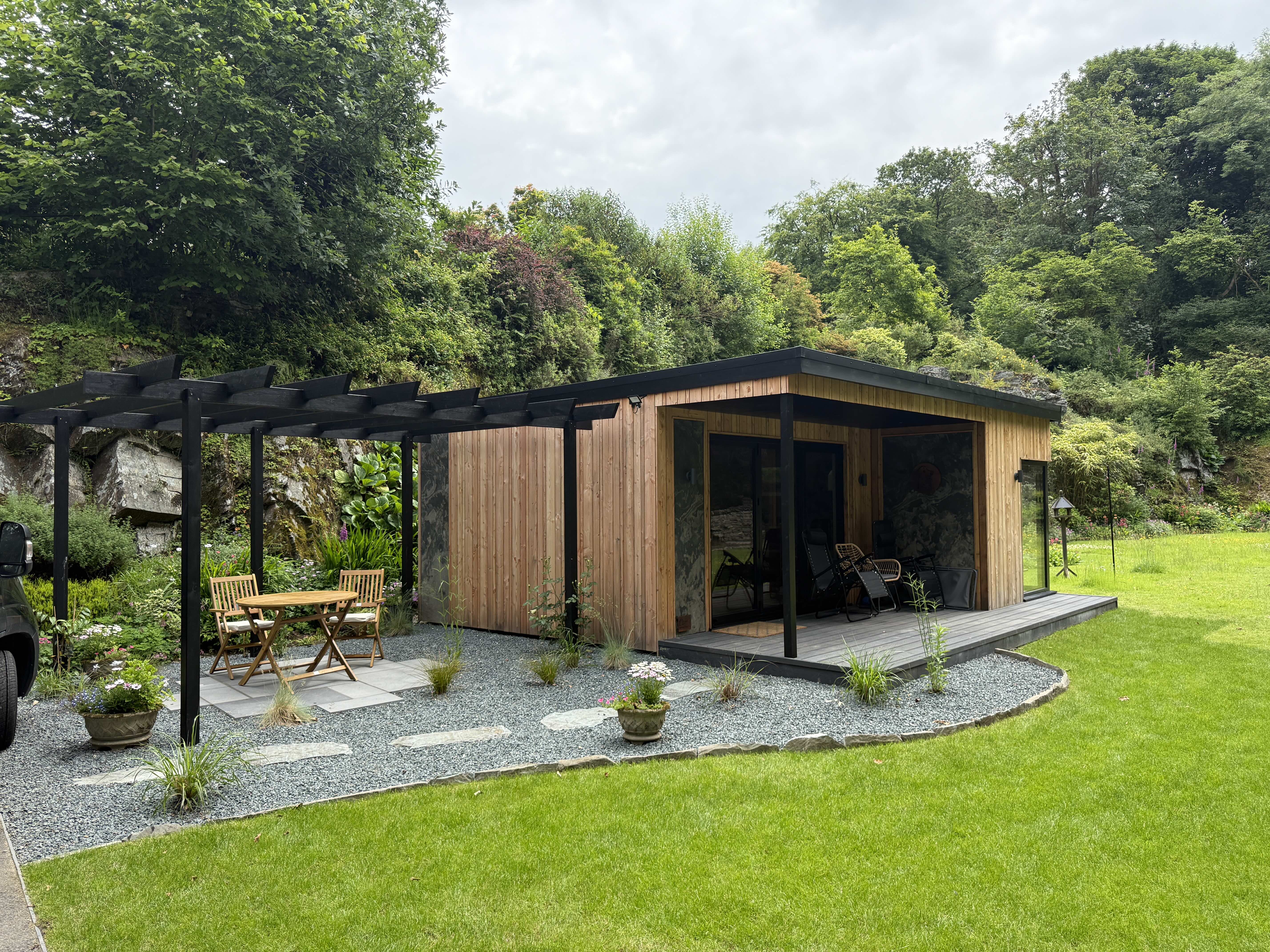
A properly built garden room is a separate, fully insulated building designed for year-round use. It doesn't alter the main structure of the house, it can often be installed in a matter of days rather than months, and in most cases it falls within permitted development, meaning no planning application is required.
One thing we've learned over the years is that people underestimate how much the planning picture changes within the Lake District National Park. Standard permitted development rules are more restricted inside the Park, so it's always worth checking what applies to your specific site before you make any decisions. That's a conversation we have with clients regularly.
Here's why garden rooms increasingly make sense as the practical choice:
Cost
Our fully insulated garden rooms start from around £20,000 and go up depending on size and specification. Even at the higher end of a well-specified build, they typically come in well below the cost of a home extension when you factor in groundworks, finishes, and the disruption costs that rarely make it into a quote.
Build Time
Our garden room installations take roughy a 1-2 weeks to build on site once groundworks are complete. Compare that to three to six months for an extension and it's a meaningful difference, particularly if you're trying to create a workspace you actually need to use.
Disruption
Because the building is detached from the house, your everyday life is largely unaffected during the build. No dust in the kitchen, no noise running through the walls, no builders working around school pickups. We see this matter a lot to families with younger children or people working from home who can't afford a disrupted month.
Planning
In most cases outside the National Park, a garden room falls under permitted development and doesn't require planning permission. Inside the National Park, the rules are tighter, but a well-designed build using appropriate materials can still be approved. We navigate this regularly, and the starting point is always a proper site assessment.
Property Value
A well-designed, year-round garden room can add 5 to 15 percent to a property's value according to estate agents, which on a £400,000 home is between £20,000 and £60,000. In the Lake District and Cumbria, where the property market includes a strong lifestyle and holiday let dimension, a quality additional space can carry even more weight. Buyers in this market understand the value of a properly built, usable outbuilding. A garden room built to the right specification holds its appeal long term.
What to Think About Before You Decide
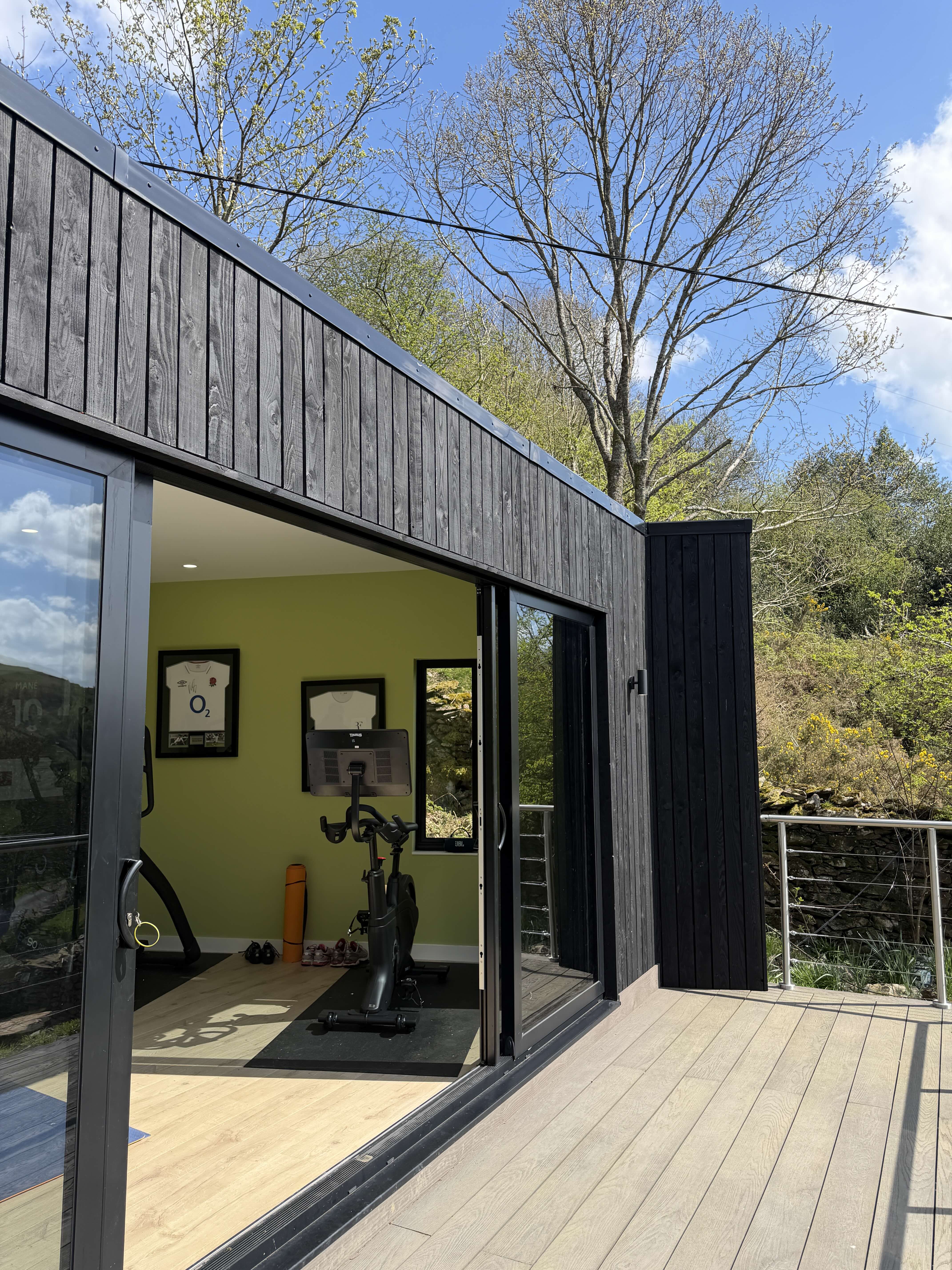
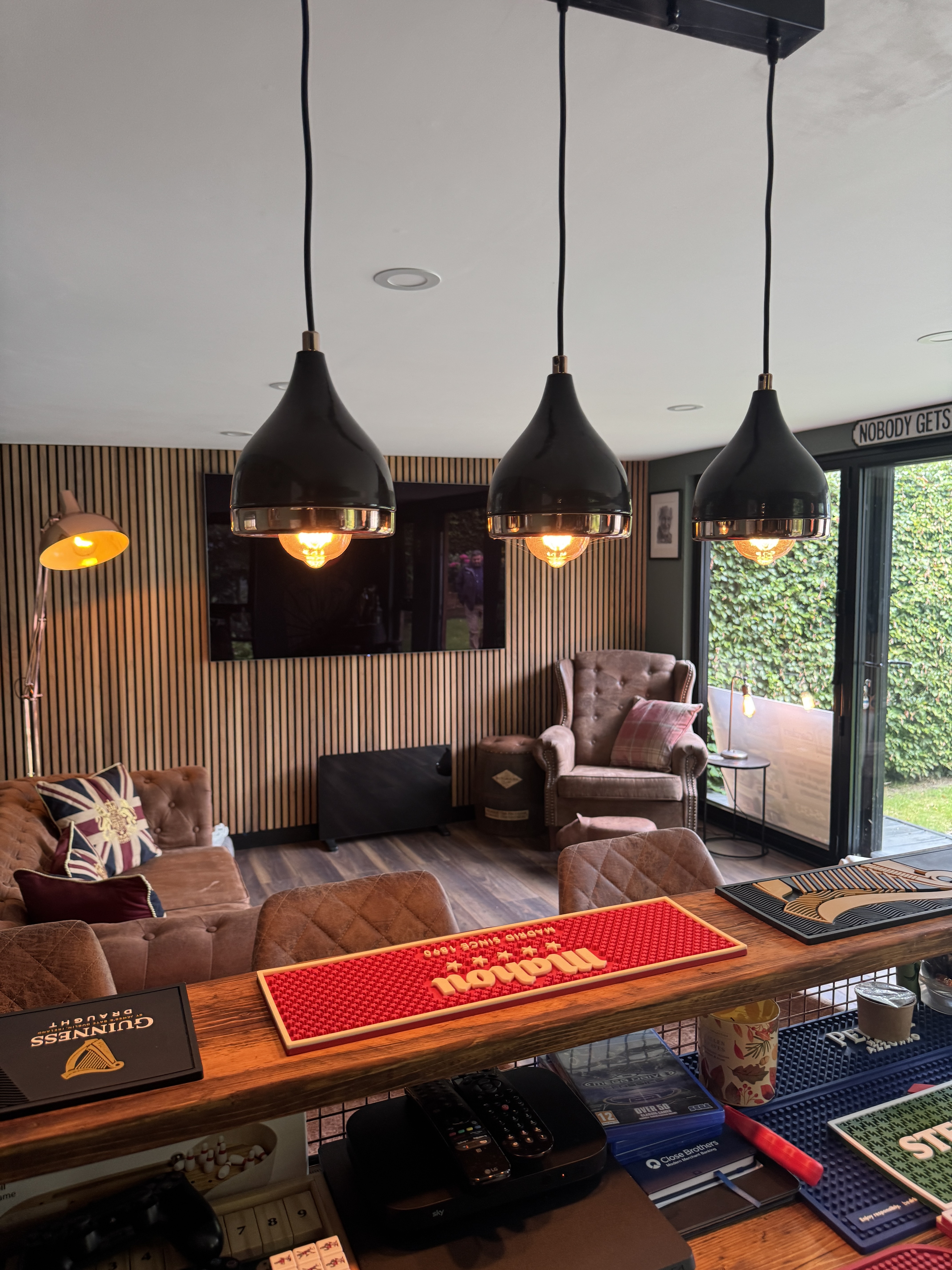
The right answer depends on what you actually need. If you need an extra bedroom connected to the main house, a loft conversion or extension might be the only option. But for the majority of people we talk to, what they actually want is a workspace, a gym, a creative studio, or a year-round retreat at the bottom of the garden, and for that, a garden room does the job better, faster and with less disruption.
If you're weighing up the options and want to talk through what makes sense for your site, we're happy to have that conversation.
Garden Room Design builds bespoke, fully insulated garden rooms across Cumbria and the Lake District. Get in touch to start the conversation.
Read through more articles
Below you'll find a steady stream of new blogs containing a wide array of information & updates. We're also more than happy to discuss any questions or queries via a phone call. Our social pages also have lots of useful videos and walkthroughs by the team.

.jpg)


.JPG)
Ready to imagine your own space?
Book your free, no-obligation design consultation today!
Book Your Consultation