Garden Rooms for Holiday Lets and Airbnb in Cumbria: What You Need to Know
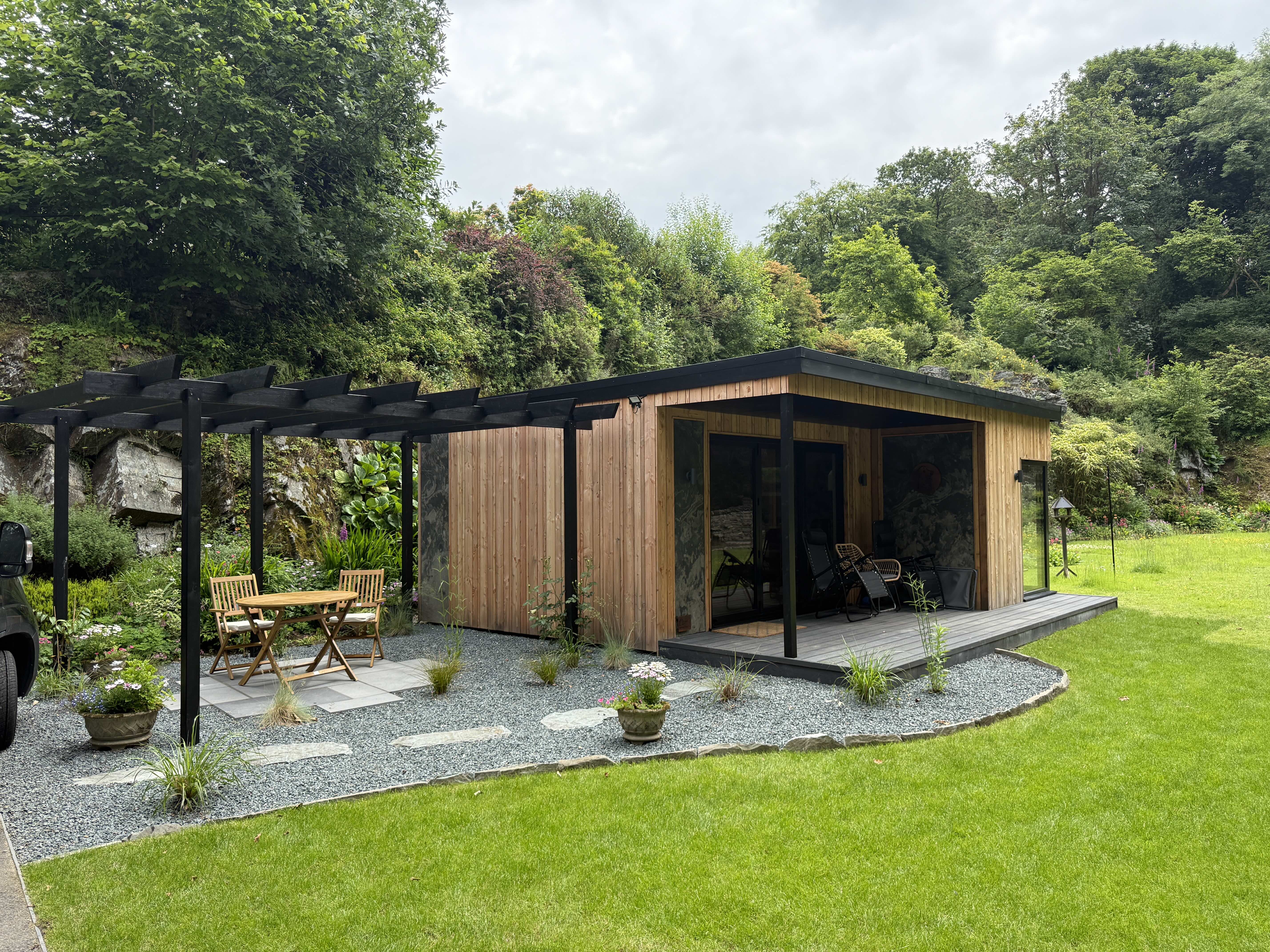
Cumbria and the Lake District have one of the highest concentrations of short term holiday lets anywhere in England. If you own a property here with a bit of garden to spare, a well built garden room can turn into a second income rather than just extra space for the family. We build these regularly, and one thing we have learned is that a garden room made for letting is not the same as one made for private use. It is designed and built differently from the very first drawing. This is what you need to know before you start.
The demand is real, and it is on your doorstep
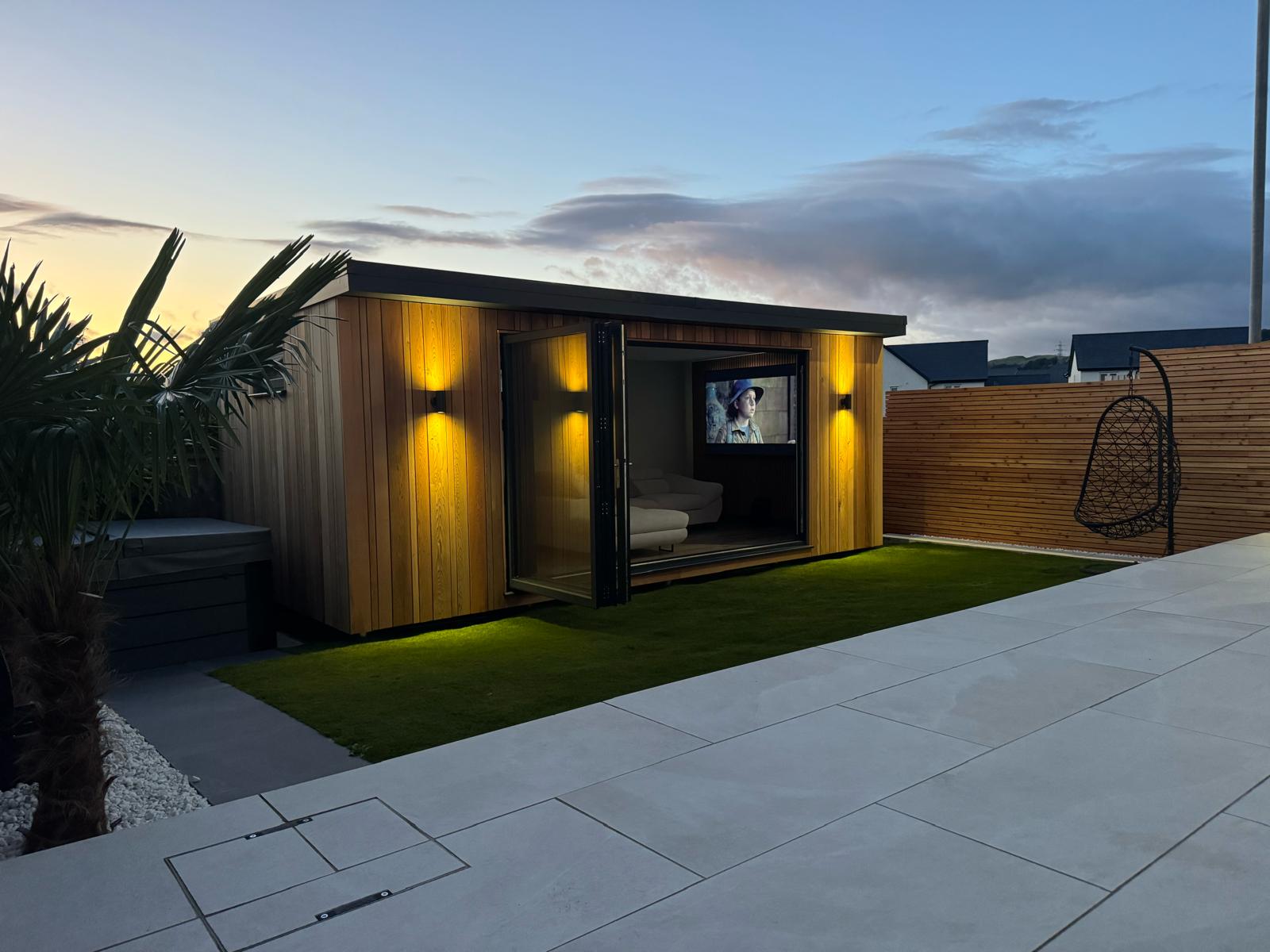
The Lakes pulls in millions of visitors a year, and a large share of them are looking for somewhere private, quiet and a little different from a standard hotel room or a busy B&B. A garden room set apart from the main house gives guests exactly that. Separation, a view, and the feeling of a proper retreat rather than a converted spare bedroom.
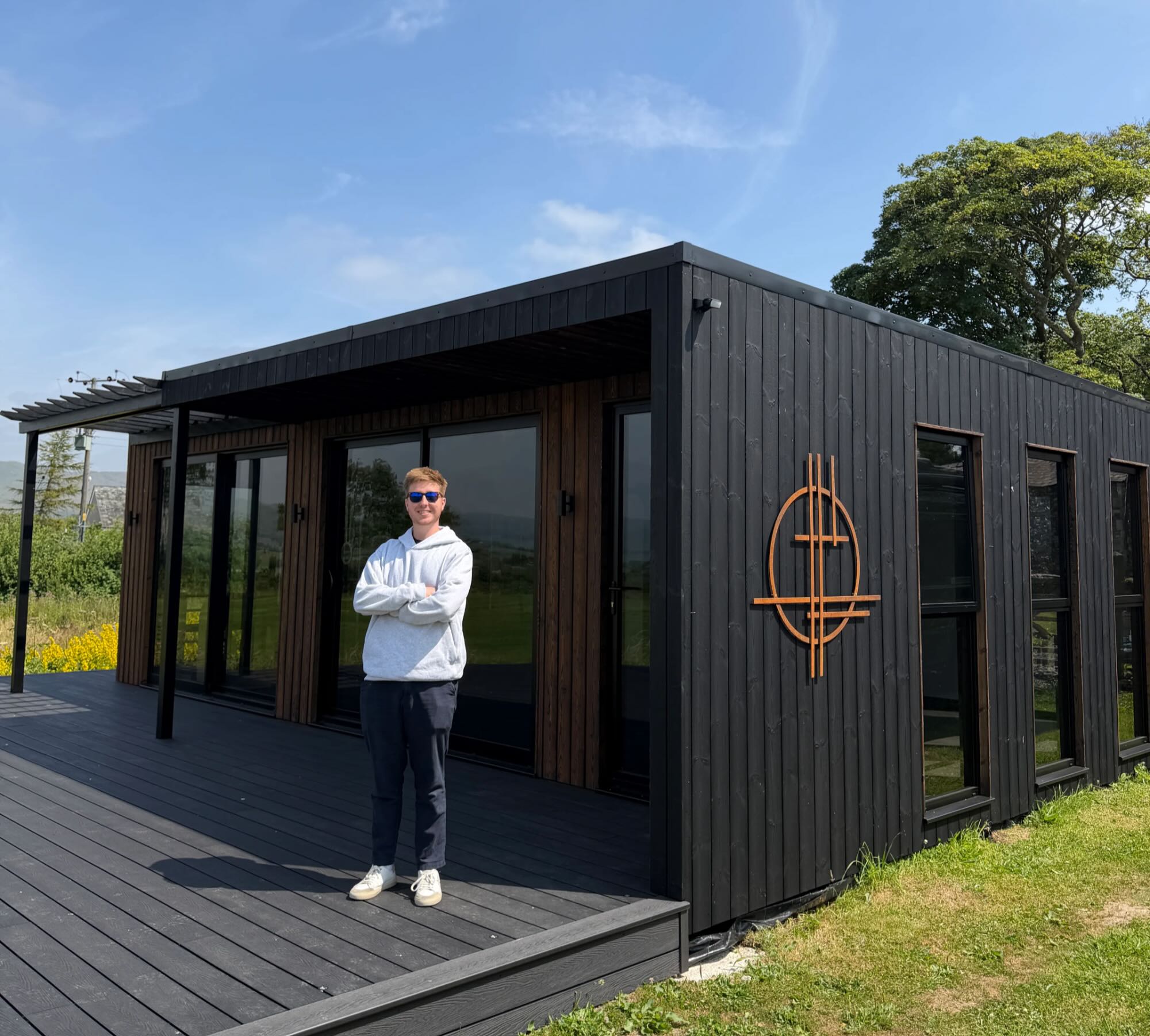
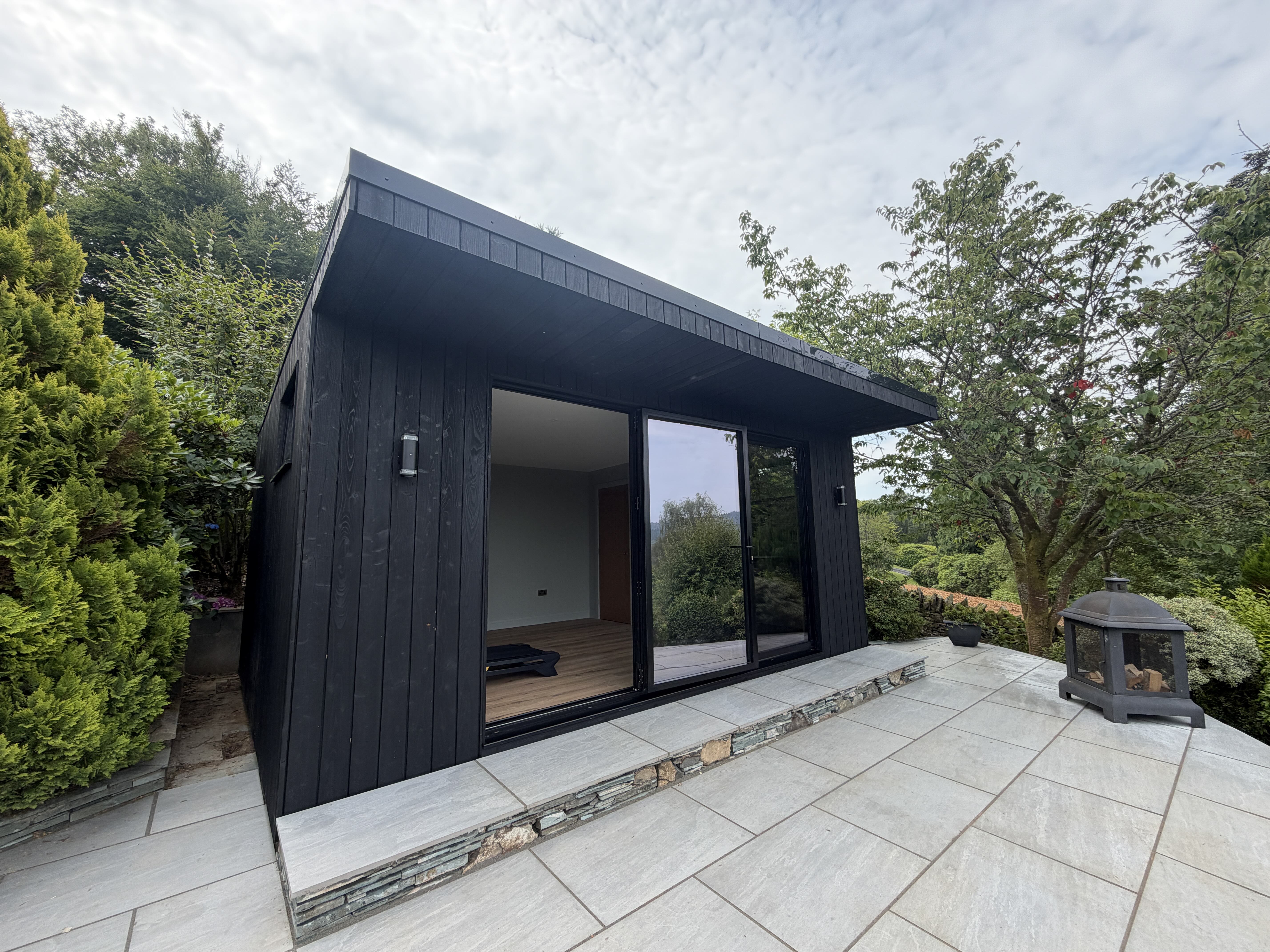
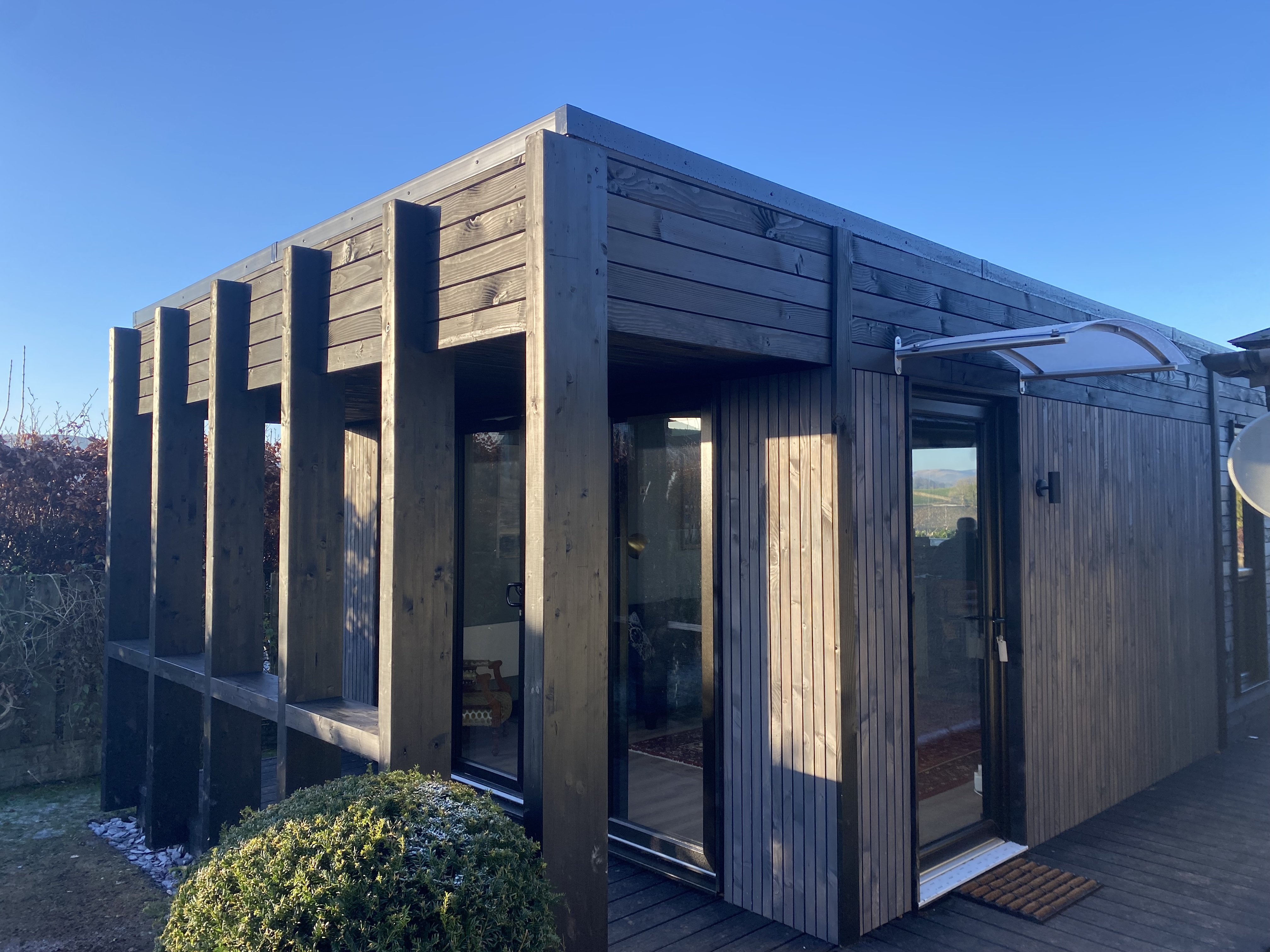
We designed The Eden in Milnthorpe as a luxury Airbnb retreat. Charred timber outside, copper detailing, the kind of finish that photographs well and gives guests a reason to book it over the dozens of other listings in the area. That is roughly the standard guests in this part of the world now expect, and it is worth being honest with yourself about that before you commit. The bar in the Lakes is high, because the competition is high.
The thing that makes a garden room work as a let is the same thing that makes it feel special. It is separate. Guests are not walking through your hallway or sharing your front door. A few steps down the garden and they are somewhere that feels like theirs for the weekend.
Letting a garden room is not the same as using one yourself
Here is the first thing that catches people out. A garden room you use as an office, a gym or extra living space is treated as incidental to your main house. That usually falls under permitted development, which is why a private garden room often does not need a full planning application.
The moment you let it out commercially, the use changes. You are no longer using the building yourself, you are running a small business from it, and the planning picture changes with it. Local authorities treat a garden room let to paying guests as a different thing entirely from one you use for yourself. We cover the general planning rules in our post on planning permission in the Lake District, but letting adds a layer on top of that, and it is worth understanding before you spend anything.
What planning permission do you actually need?
For a holiday let, you are usually looking at a potential change of use rather than a simple permitted development question. Whether that applies depends on how the room is used, how self contained it is, and how often it is let. A room let for the odd weekend a year sits differently from one run as a year round business.
In the Lake District National Park there is an extra layer again. The Park Authority looks closely at anything that changes the character or use of a property, and holiday letting is an area they pay attention to. What looks straightforward on a drawing has to actually work once you are standing on the site and dealing with the local planning position. Our honest advice is to check the specific position for your property early, before design, not after. It is far cheaper to design around the rules than to unpick a build that does not fit them.
Building regulations for somewhere people will sleep
This is where a lot of people get caught out, and it is the most important part of this whole piece. A garden room built for occasional daytime use does not have to meet the same standard as one people will sleep in. The moment it becomes habitable accommodation, building regulations apply properly.
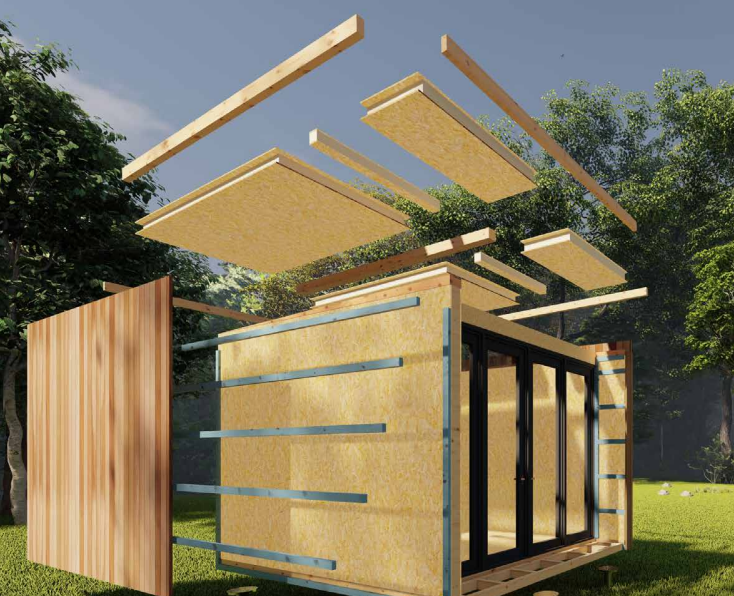
That means fire safety and a safe means of escape, insulation to a proper standard, ventilation, electrics designed and signed off for the use, and structural sign off where it is needed. We build to that standard from the start when we know a room is going to be let. We see this a lot on site, someone has built a lovely looking room for private use, then decided a year later they want to let it, and the cost of bringing it up to standard after the fact is far higher than it would have been to do it right first time.
If there is one message to take from this, it is that. Tell your builder at the start if letting is even a possibility. It changes the specification, and it is much cheaper to build it in than to retrofit it.
Kitchenette, bathroom and the practical bits
A room someone stays in for a weekend needs more than a bed and a view. A guest expects at least a decent bathroom, and often a small kitchenette or a proper tea and coffee area. That has knock on effects. You need water in and waste out, which means drainage runs across the garden, and it means the electrics and plumbing have to be designed properly rather than added as an afterthought.
On some sites the drainage is the single biggest variable in the cost, and it is one of the reasons we survey before we quote. What works easily on a flat, accessible plot can be a real job on a sloping Cumbrian garden with the nearest connection a long way off. It is the sort of thing that never shows up on a drawing but decides how the whole project runs.
What guests in the Lakes actually expect
Guests here are not comparing your room to a caravan. They are comparing it to boutique stays, converted barns and high end lodges. To get the bookings and the reviews, a few things matter more than anything else.
Quality of finish is the obvious one. The materials, the detailing, the small touches that show up in photos and in person. The Eden works because it was finished to a standard that stands out in a crowded market.
Connectivity matters more than people think. A lot of guests, even on holiday, want to be able to work for a morning or stream in the evening. In rural parts of Cumbria that is not a given, so it needs planning in from the start rather than hoping the signal reaches the bottom of the garden.
Thermal comfort is the one that makes or breaks repeat bookings. A room that is freezing in November or an oven in July gets poor reviews fast. This is where proper insulation earns its keep, and it is the same reason we build every room to be usable all year round, which we cover in our post on what makes a garden room usable all year round. In the Cumbrian climate, that is not a nice to have, it is the difference between a room that books twelve months a year and one that only works in summer.
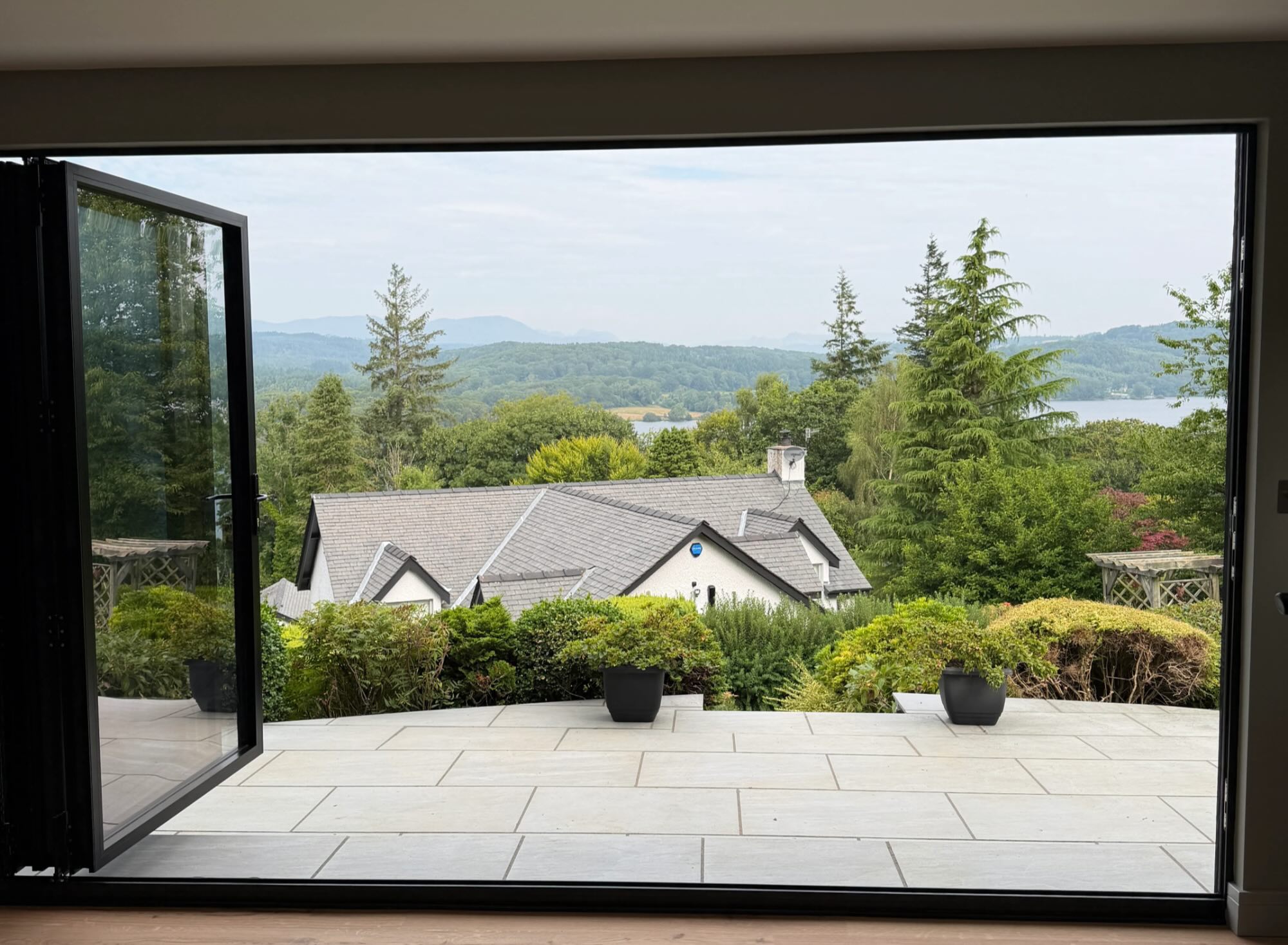
And then the view and the outdoor connection. People come to the Lakes for the landscape. A room that frames it well, with good glazing and a bit of outdoor space to sit out, tends to sell itself.
The income question, honestly
We are not going to pretend we can quote you a guaranteed return, because it depends on location, finish, how you market it and how much of the year you let it. What we can say is that a well positioned, well finished garden room in a good Lakes location can command a strong nightly rate, and the Lake District has one of the healthier occupancy pictures in the country.
As a rough frame, a quality garden room let in this area can realistically achieve a nightly rate in line with a decent hotel room, across a good chunk of the year. Run the numbers conservatively on occupancy and it is not hard to see how a build like this can pay for itself over a number of years and then keep earning. We would always encourage you to do your own sums on your own location rather than take a headline figure at face value, but the fundamentals in this region are genuinely strong.
We are comfortable talking about price and about return, because for most of the people we build these for, this is a long term investment, not an impulse buy. Built properly, it should last decades and earn across most of them.
What changes when you build for letting
To pull it together, a garden room built for letting differs from a private one in a handful of important ways. The planning position is assessed differently. The building regulations are stricter because people will sleep there. The specification leans harder on thermal comfort, connectivity and finish, because guests and reviews demand it. And the design tends to make more of the view and the sense of separation, because that is what gets it booked.
None of that is a reason not to do it. The Lakes is one of the best places in the country to let a space like this. It just means the decision to let has to be made early, so it can be built in rather than bolted on.
If you are thinking about letting
We design garden rooms for private use and for commercial hosting, and the difference between the two starts at the first conversation. If you are planning to let, tell us at the start. It changes how we build it. You can see more about the commercial side of what we do on our hospitality and leisure page, and if you want to talk through what would work on your site, we are happy to have that conversation.
Read through more articles
Below you'll find a steady stream of new blogs containing a wide array of information & updates. We're also more than happy to discuss any questions or queries via a phone call. Our social pages also have lots of useful videos and walkthroughs by the team.

.jpg)



.JPG)
Ready to imagine your own space?
Book your free, no-obligation design consultation today!
Book Your Consultation