How to Choose the Right Cladding for a Garden Room in Cumbria
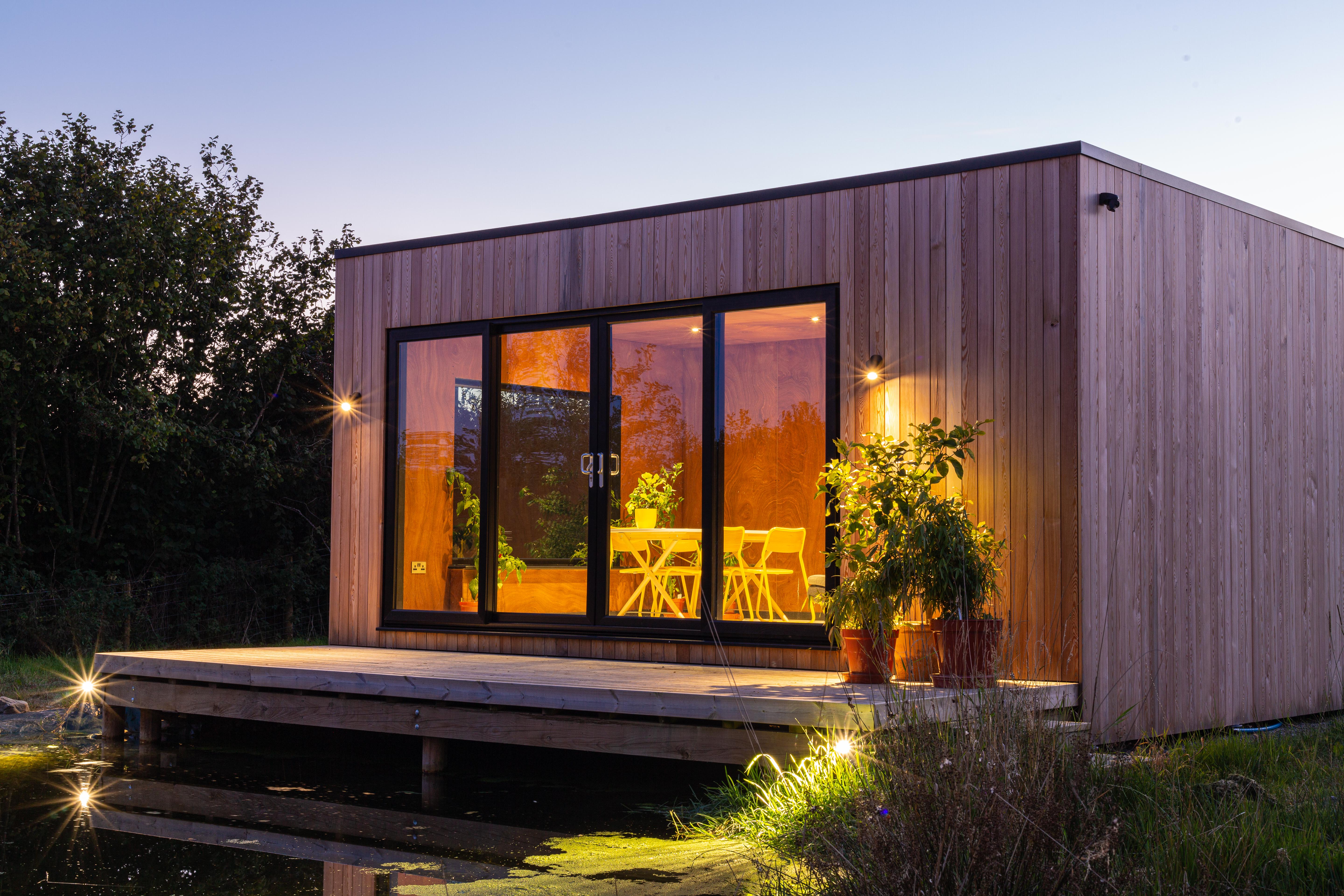
For most garden rooms in Cumbria, the best cladding is a naturally durable timber such as western red cedar or larch, or a modified timber such as thermowood or charred timber, fixed on a ventilated batten system with stainless steel fixings. Composite cladding is a good choice where low maintenance matters more than a natural finish. The one to avoid is cheap pressure-treated softwood, which rarely lasts in a Lakeland climate. If you're inside the Lake District National Park, natural timber is also usually what planners want to see.
Cladding is the specification decision most buyers underestimate and most suppliers under-explain. It's the first thing anyone sees, and it's the layer that takes the weather every single day. Choose well and it will look better in year ten than it did in year one. Choose badly and you'll be replacing boards within a decade.
Why does cladding matter more in Cumbria?
Because the weather here tests it harder than almost anywhere in England. Much of the central Lakes gets around 2,000mm of rain a year, roughly three times what falls on parts of south-east England. Exposed fellside and coastal sites take wind-driven rain sideways for days at a time, and sheltered gardens under trees stay damp enough for moss and algae to settle on anything that holds moisture.
Then there's frost. Water that gets into poor-quality timber freezes, expands and opens up the grain, and each winter the damage goes a little deeper. A cladding that would be perfectly acceptable in a sheltered southern garden can start cupping, splitting and rotting within a few years here.
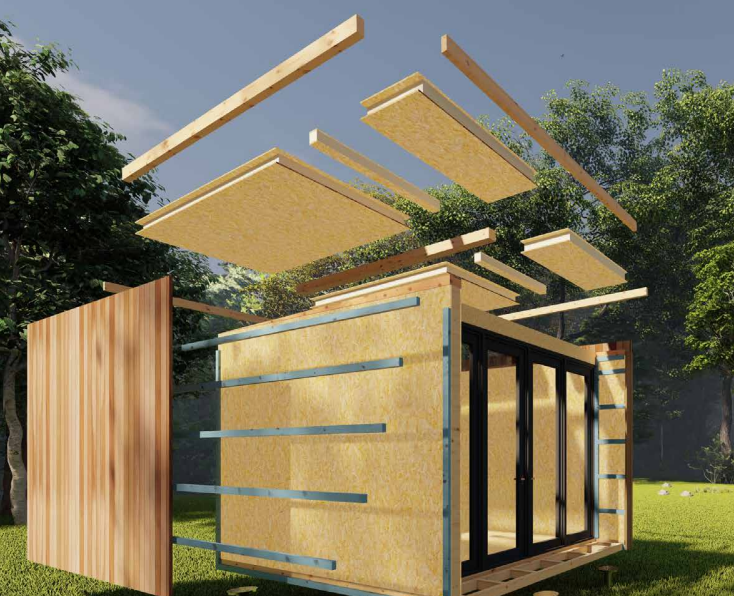
It also helps to understand what cladding actually does. It's a rainscreen, the outer layer that throws most of the water off. Behind it sits a ventilated cavity and a breathable membrane that protect the insulated structure. That whole system has to work together if you want a garden room that stays dry and usable all year round.
What are the best cladding options for a garden room?
Here's how the main options compare. Durability ratings refer to the heartwood, which is the part you should be buying.

Western red cedar
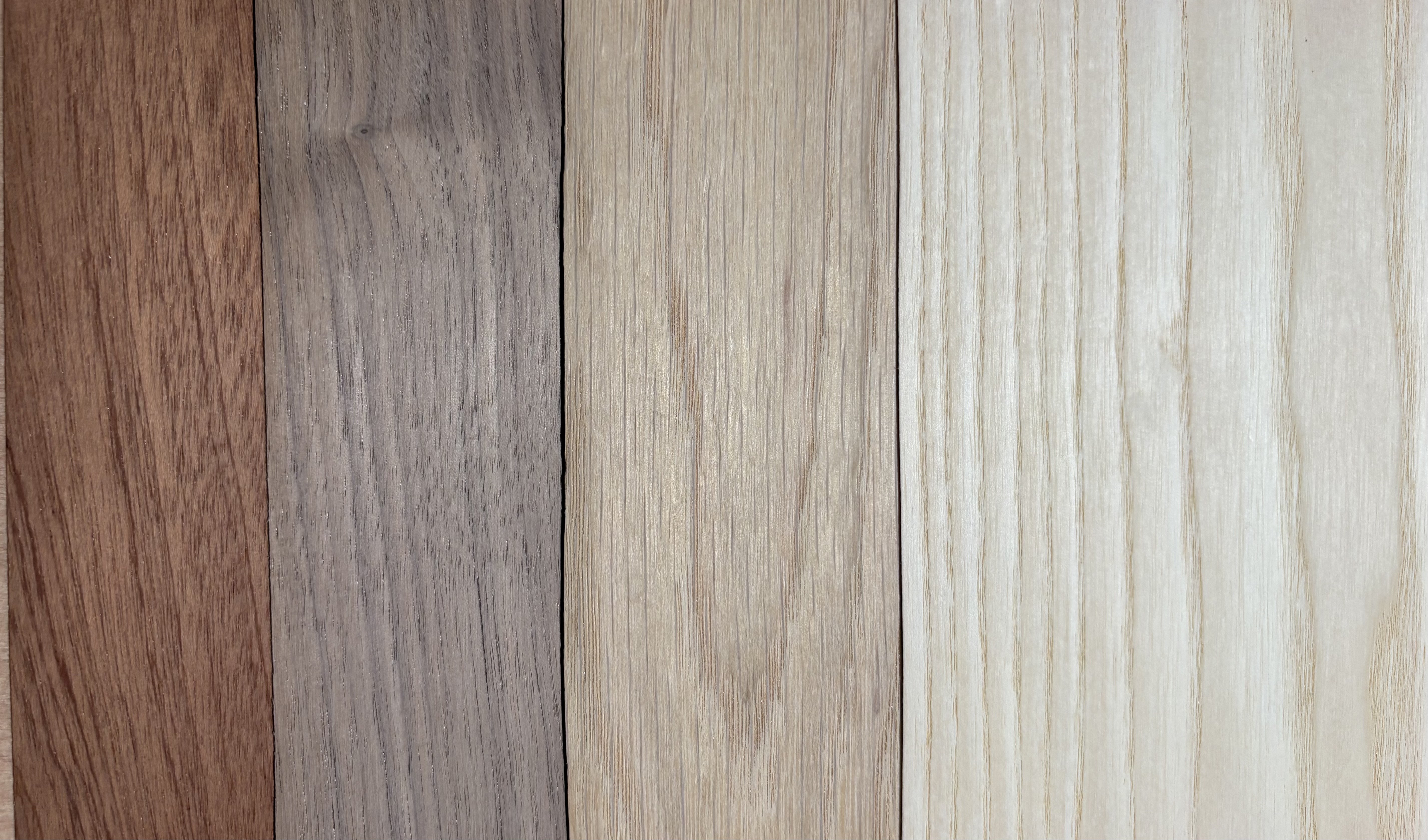
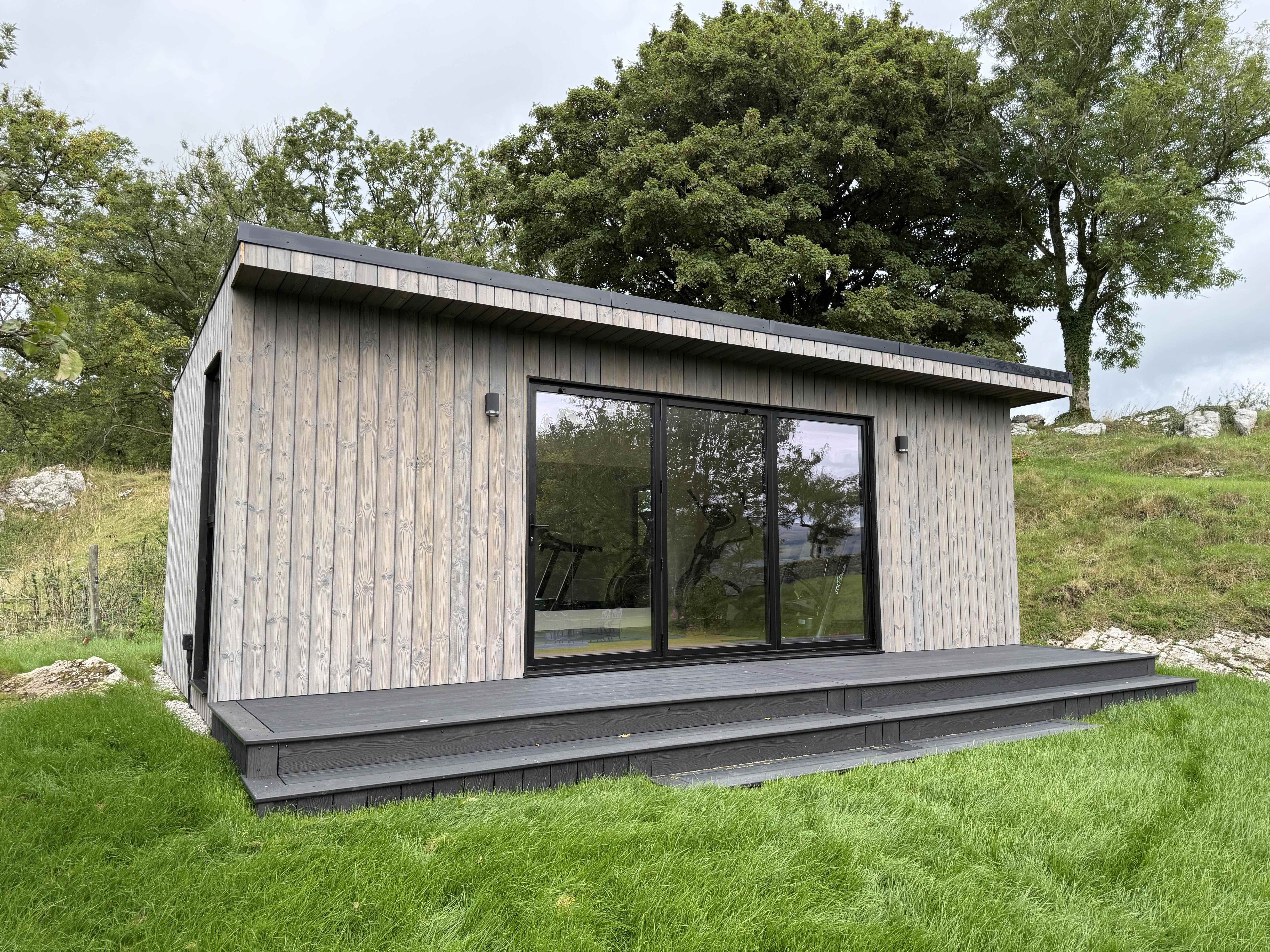
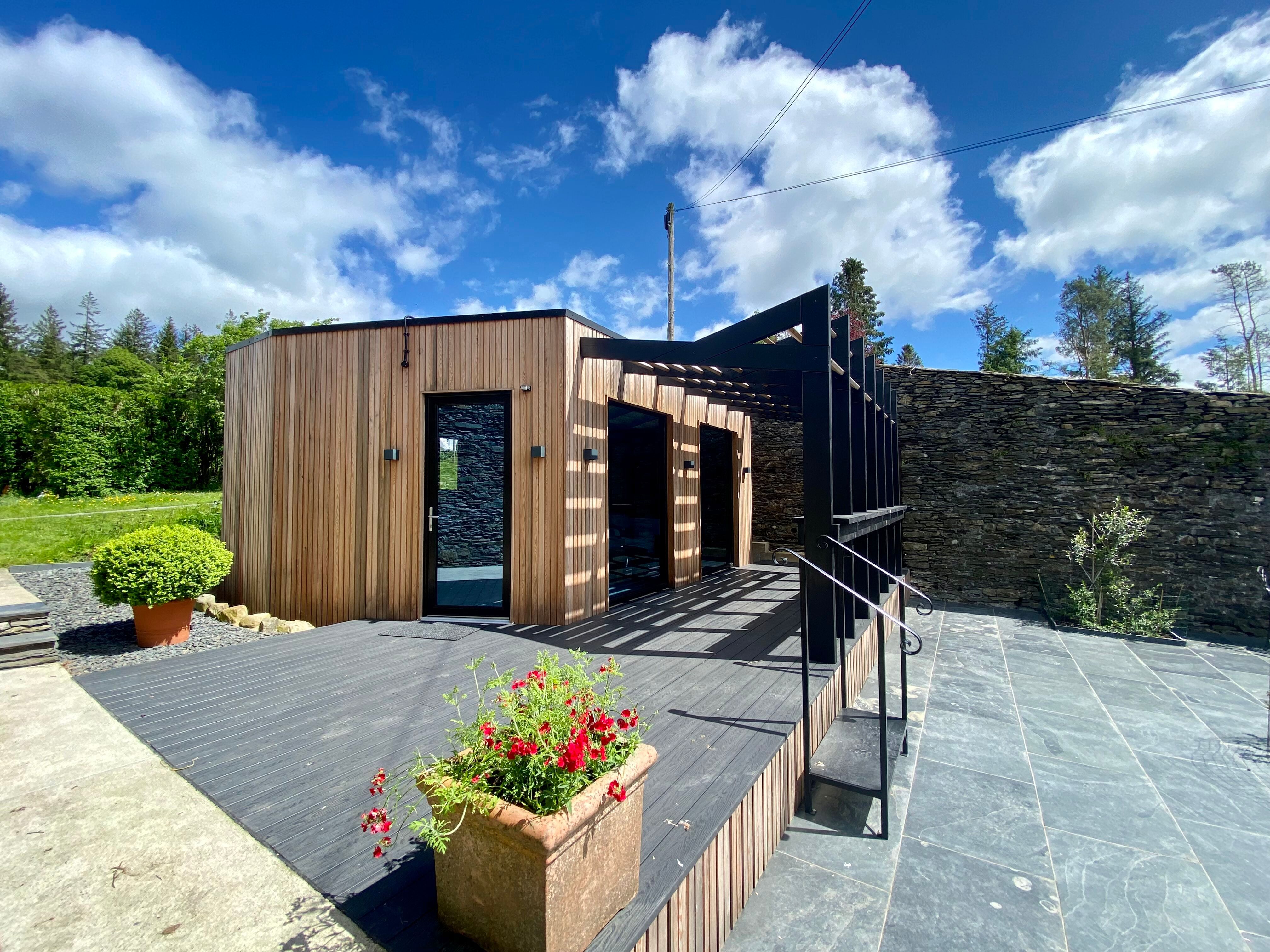
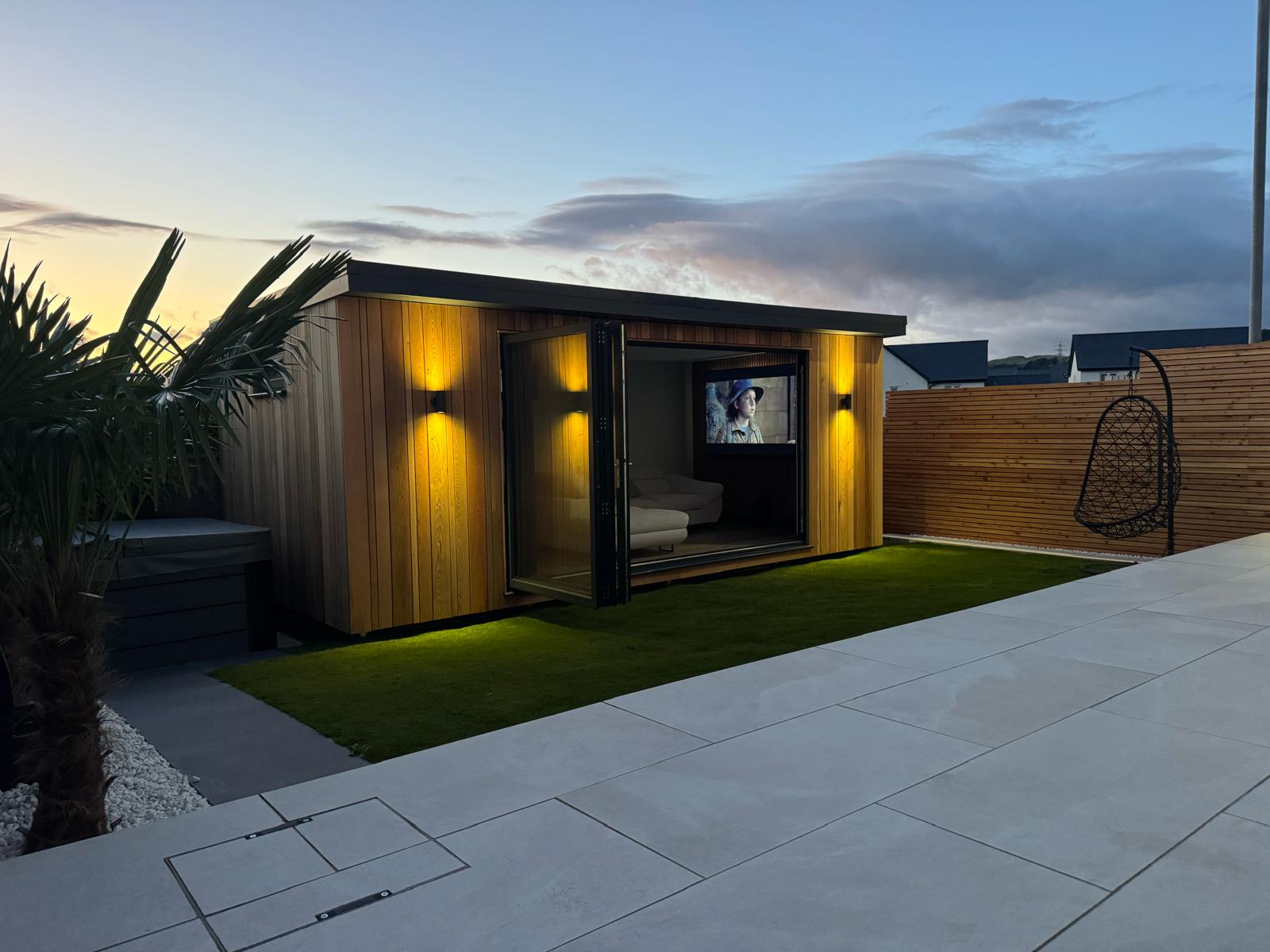
Cedar is the benchmark for good reason. It's naturally durable without chemical treatment, lightweight, very stable and pleasant to work with. Left untreated it moves from warm golden tones to a soft silver-grey, usually over the first year or two.
The one thing cedar demands is stainless steel fixings. It contains natural tannins that react with ordinary steel and leave black streaks running down the boards. We see this a lot on site on buildings put up by others, and it can't be cleaned off properly once it's there. Cedar is also one of the more expensive options.
Larch
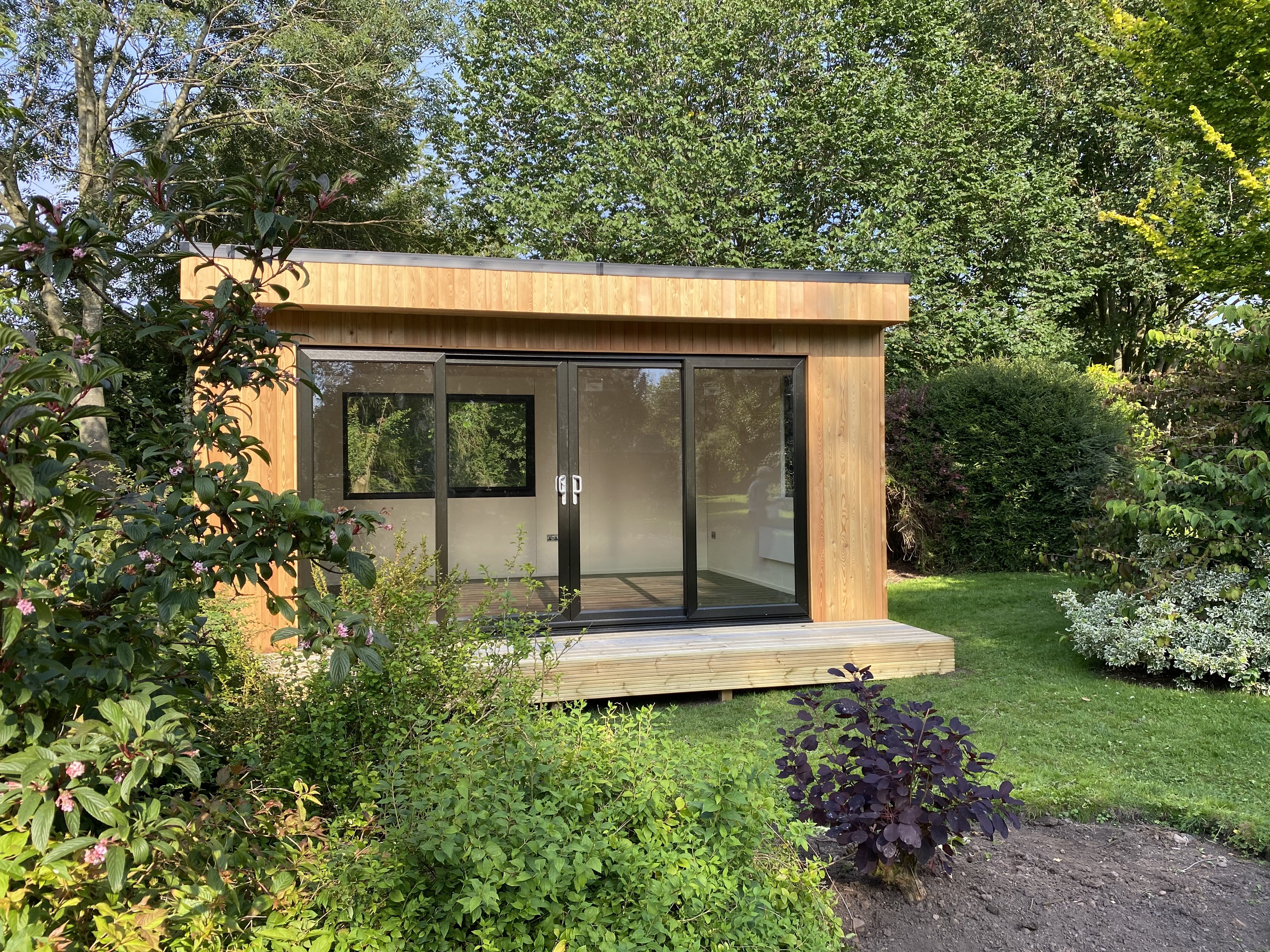
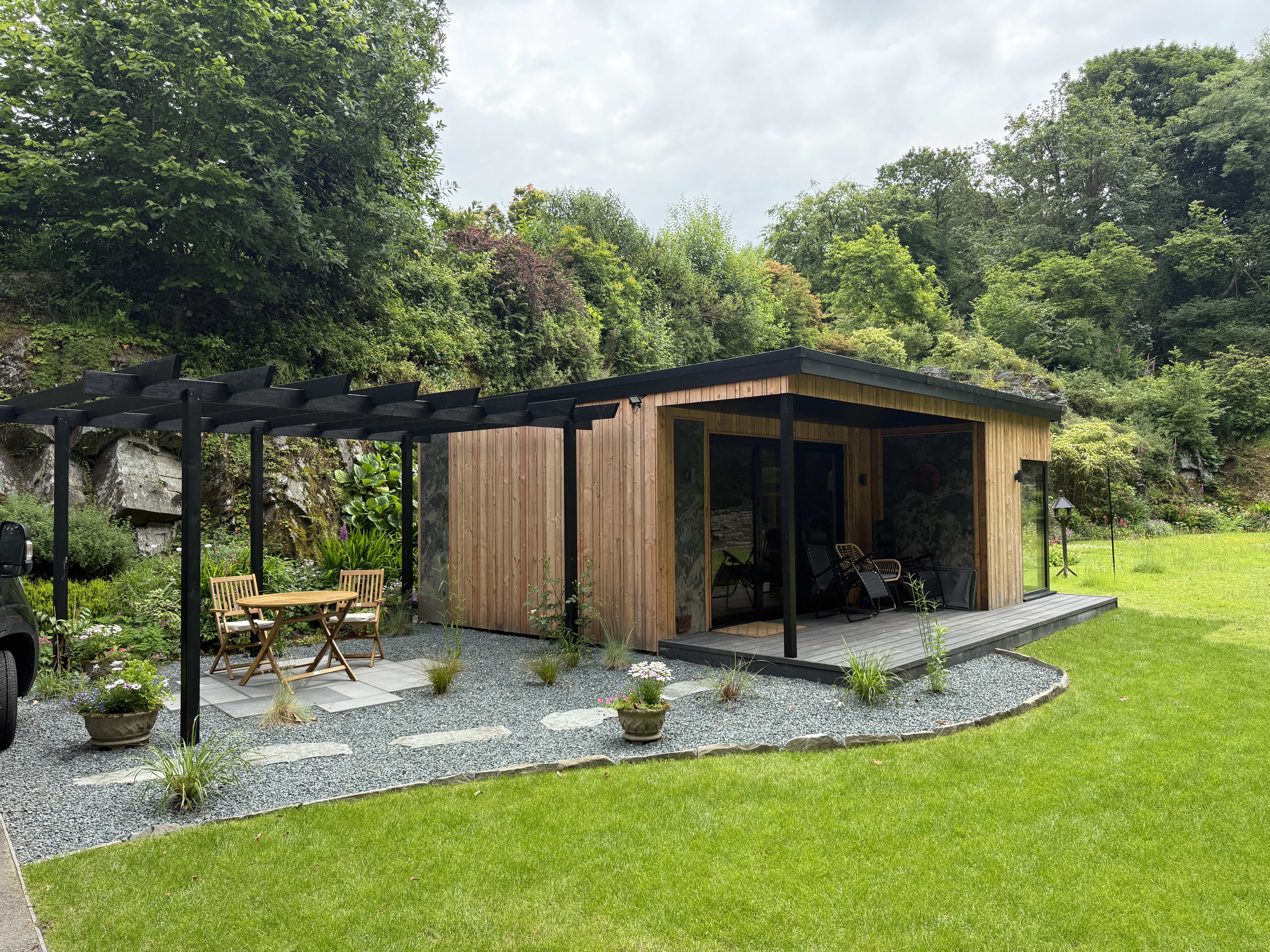
Larch is denser and harder than cedar, with a strong grain and warm honey colour, and it silvers in a similar way. It's a little less stable, so it can move and twist slightly more, and it can weep resin in its first summers. Siberian larch tends to be the most consistent, and home-grown larch is a good option where provenance matters.
We use larch regularly, and it suits the Lakes well. The Reynold, a creative art studio in Tirril, is clad in natural larch, and Alison Friend's art studio in Windermere pairs larch with real stone inserts, a combination that sits very naturally in a Lakeland garden.
Thermally modified timber
Thermowood is softwood, usually pine or spruce, that has been heated to very high temperatures to change its structure. The result is a timber that's far more durable and stable than the untreated version, with a rich brown colour that also weathers to grey. It's slightly more brittle than natural timber, so it needs careful handling and fixing, but it's an excellent all-rounder with good environmental credentials.
Charred timber
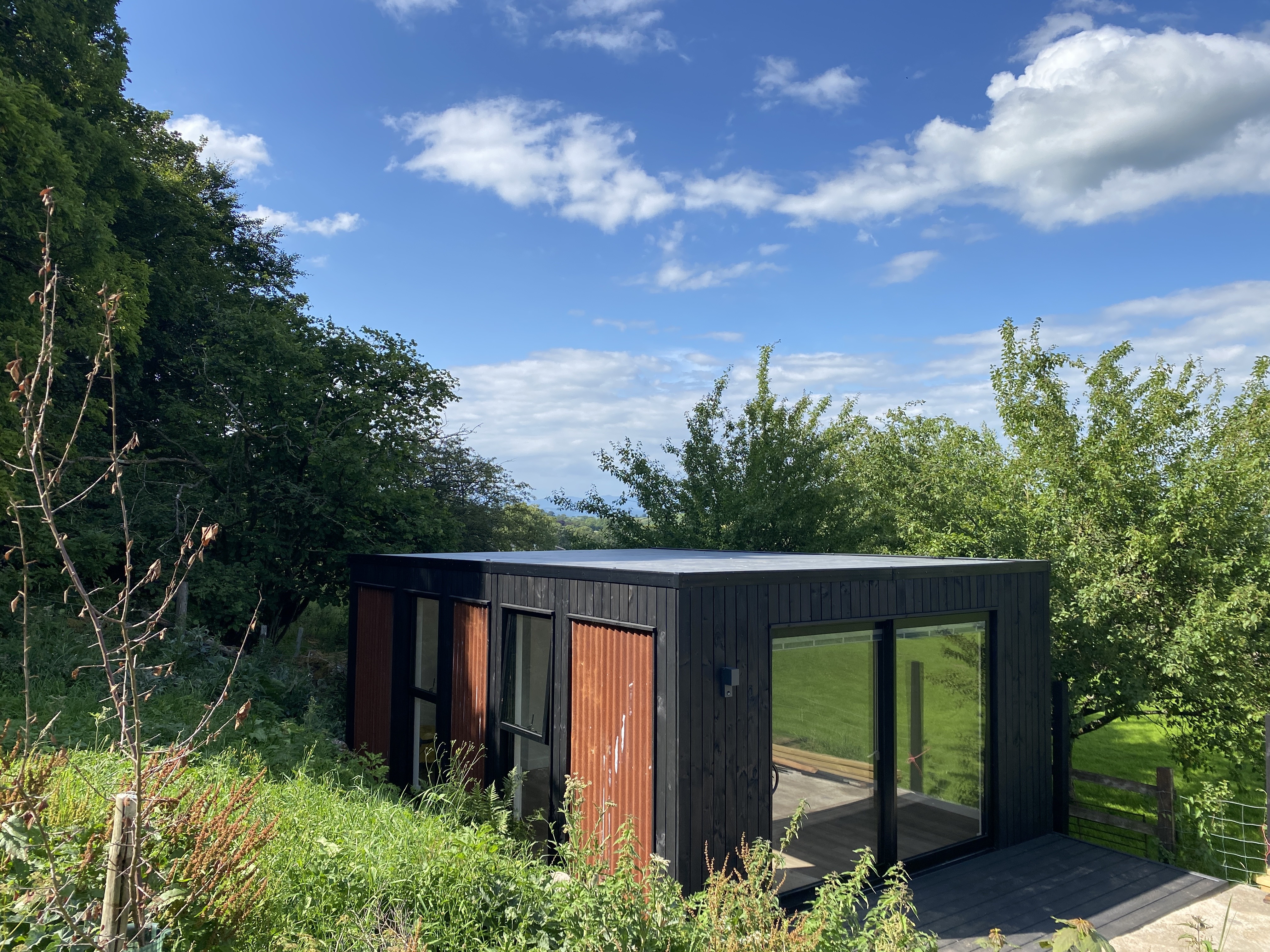
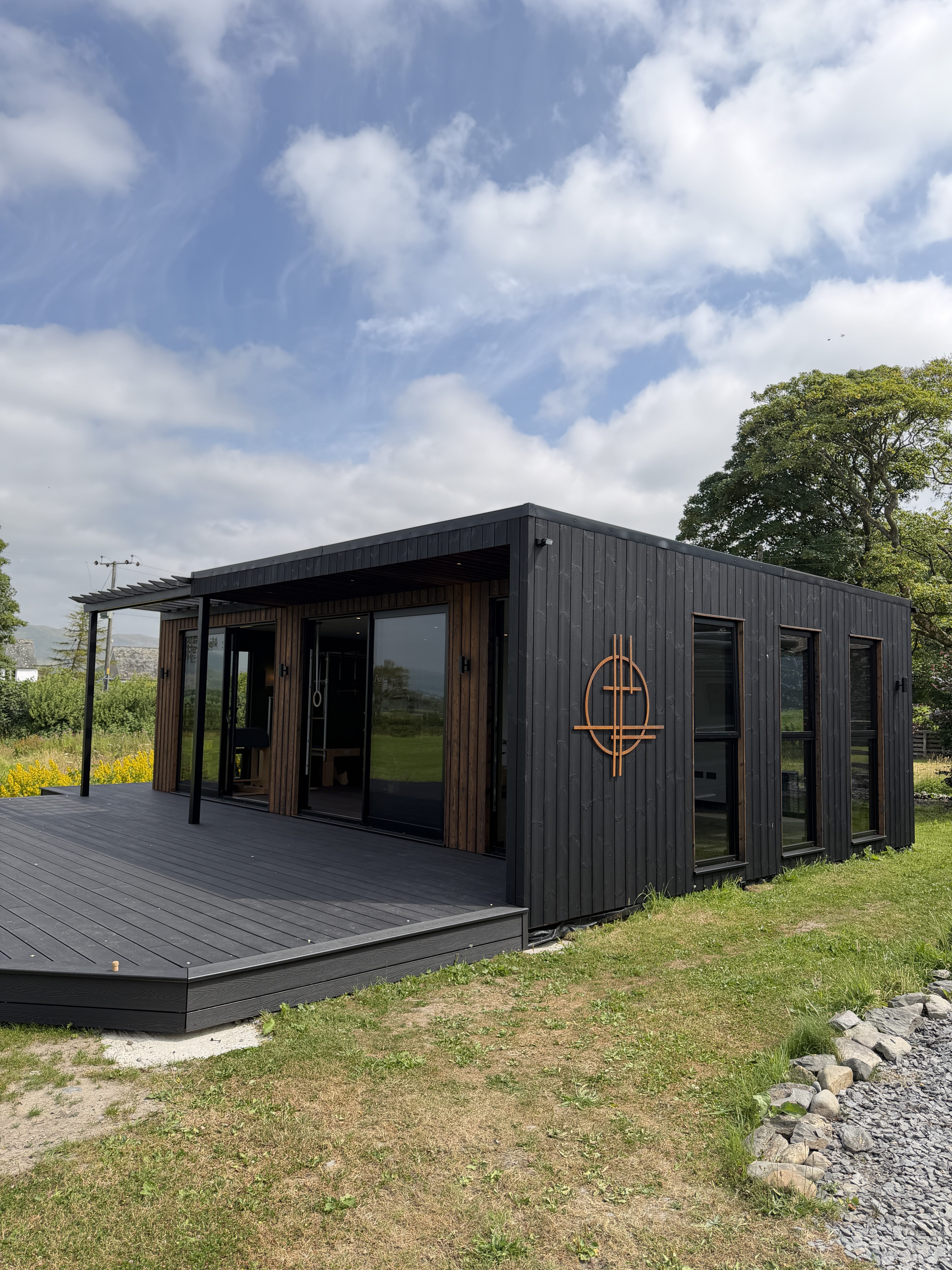
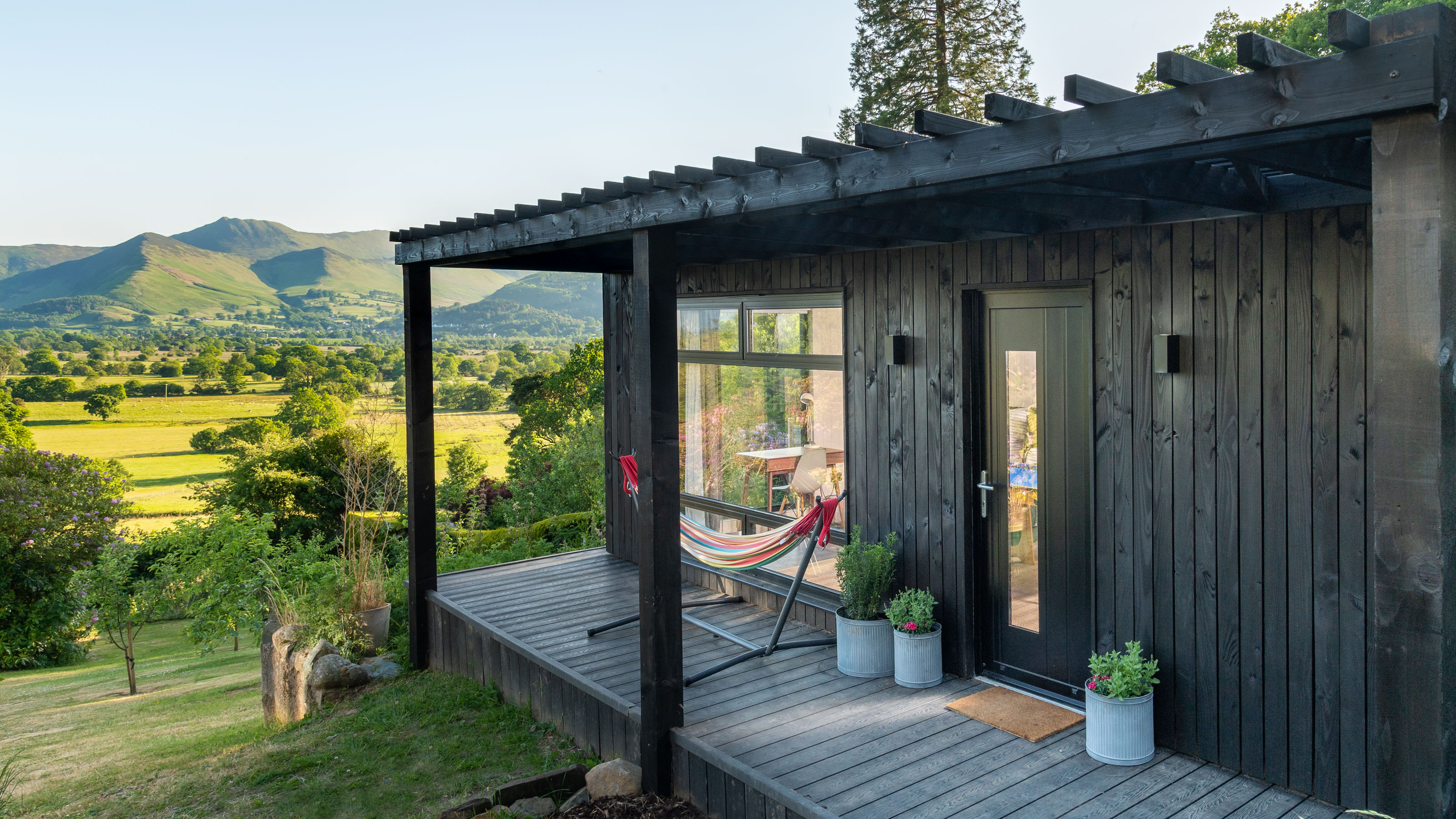
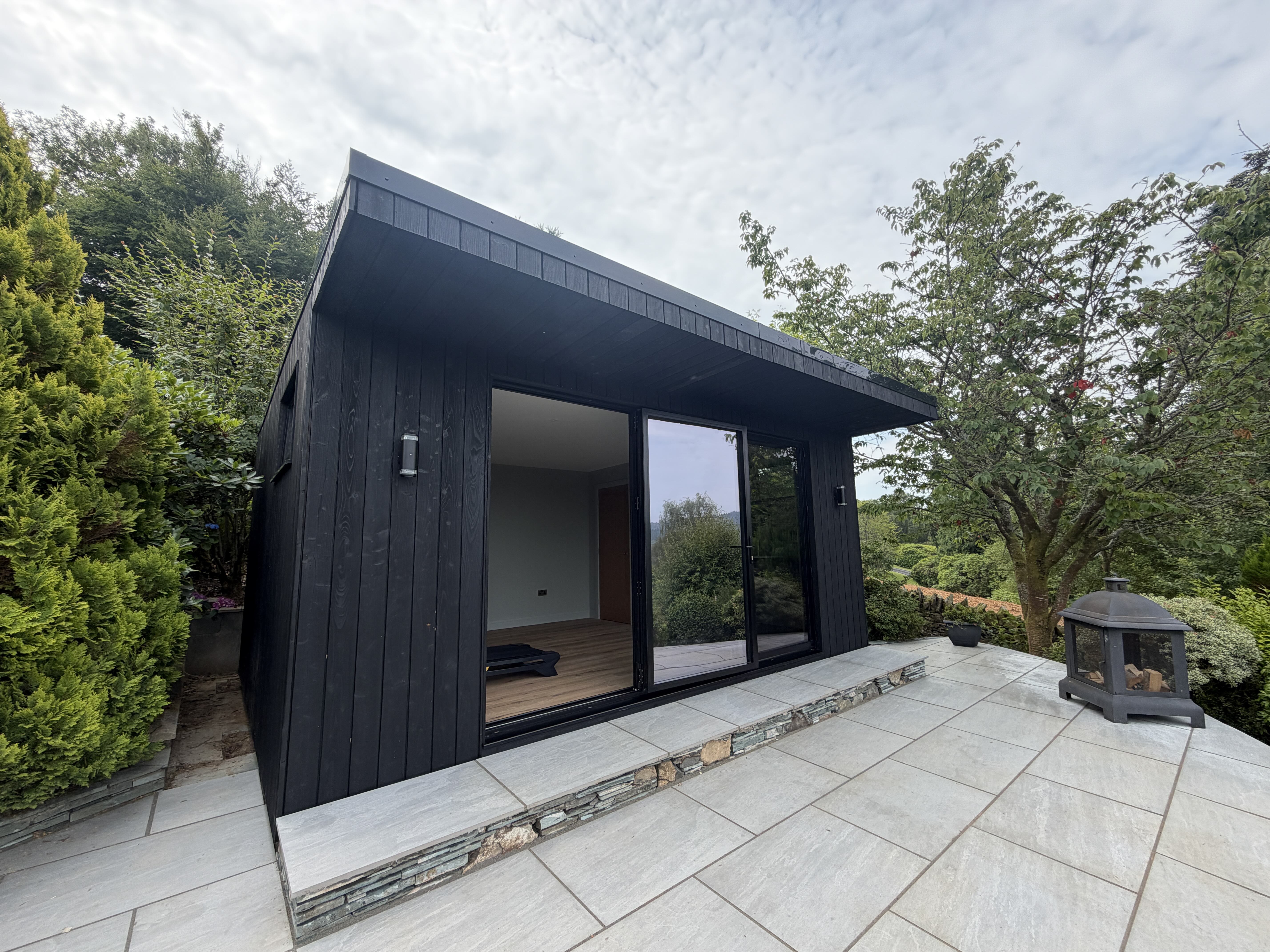
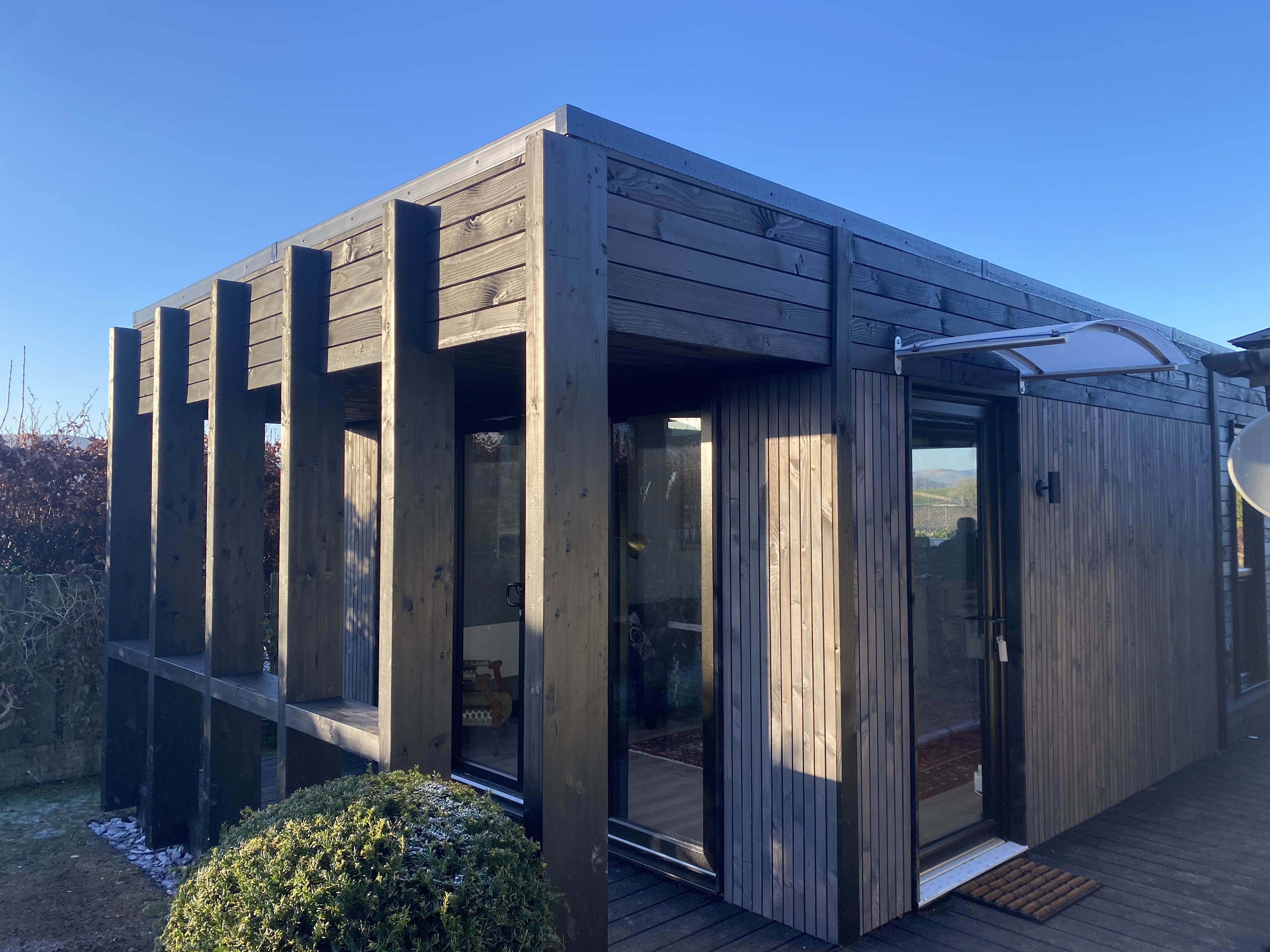
Charred timber, sometimes known by its Japanese name yakisugi, has its surface deliberately burned to create a dark, textured layer of carbon. That layer protects the timber underneath from water, UV and insects, and it holds its dark finish for years with very little upkeep.
It's a striking look and one we've used on some of our favourite builds. The Eden, a luxury Airbnb retreat in Milnthorpe, combines charred timber with copper detailing, and The Jurd in Kendal uses scorched timber alongside solar panels. Dark, recessive finishes can sit well in the landscape, but inside the National Park it's a case-by-case conversation with planners rather than a given.
Composite cladding
Composite boards, typically a blend of wood fibre and plastic, offer consistent colour and almost no maintenance. They handle wet weather well and won't rot. The trade-offs are that they look less natural up close, they can fade in strong sun, and they expand and contract with temperature more than timber, so fixing details matter. Outside protected areas they can be a sensible choice. Inside the National Park, a non-natural material is generally harder to justify.
Cheap pressure-treated softwood
This is the tongue-and-groove cladding you'll find on budget garden buildings. The treatment rarely penetrates far into the timber, cut ends are often left untreated, and the boards are usually sapwood rather than heartwood. In a dry climate it might last a while. In Cumbria it tends to cup, split and rot, sometimes within five years. We explain why in our guide to cheap garden rooms.
Should garden room cladding be treated?
Not necessarily. Cedar, larch, thermowood and charred timber can all be left untreated and will weather naturally. The thing to know is that natural timber doesn't silver evenly. Elevations that take the weather go grey first, while areas under the roof overhang stay golden for much longer. Some people love that variation and some don't.
If you want to control it, you have options. A UV-protective oil will hold the original colour, but it needs reapplying every one to three years, and once you start you're committed to it. A pre-greyed or factory-applied finish gives an even silver look from day one. Or you can simply let the timber do its thing, which is what we'd recommend for most garden rooms in the Lakes.
How should cladding be fixed on a garden room?
The best cladding in the world will fail if it's fixed badly. The details we insist on are:
- A ventilated cavity behind the boards, so air can move and any water that gets past the cladding can drain and dry out.
- A breathable membrane over the structure, which keeps wind and water out while letting moisture escape.
- Stainless steel fixings, essential with cedar, and the right choice for every timber in this climate.
- Insect mesh at the base and top of the cavity, so it stays a cavity and not a home for wildlife.
- A clear gap to the ground, usually around 150mm, so the bottom boards aren't sitting in rain splash and wet grass.
Board orientation matters too. Vertical boards shed water faster than horizontal ones, which can make a real difference on exposed sites. Profile choice, such as shiplap, open-jointed or board-on-board, affects both the look and how the cladding handles water.
What cladding does the Lake District National Park Authority prefer?
Generally, natural materials that weather well and sit quietly in the landscape. The Authority's Design Code favours materials that reflect the local character, and timber that silvers over time, often combined with stone, tends to be well received. Bright colours, reflective finishes and materials that look out of place against fells and woodland are harder to get approved.
That doesn't mean every garden room in the Park has to look the same. It means the choice of cladding should be part of the planning thinking from the start, not an afterthought. Our guide to building in the National Park covers the wider picture.
How much does garden room cladding cost?
In broad terms, cheap treated softwood is the least expensive, thermowood and larch sit in the middle, and cedar, charred timber and good-quality composite sit at the top. The difference across a typical garden room is meaningful but rarely the biggest line on the quote.
The more useful question is cost over time. A cladding that needs replacing after ten years, or re-staining every other summer, is not cheaper than one that looks after itself for decades. Built properly, the cladding should be one of the last things you ever have to think about.
Which cladding should you choose?
As a quick guide, based on what we see working across Cumbria:
- Exposed fellside or coastal site: cedar or thermowood, ideally vertical boards.
- Sheltered, shaded garden: larch or cedar with a well-ventilated cavity and plenty of clearance from the ground.
- Inside the National Park: natural larch or cedar left to silver, often paired with stone.
- Bold, contemporary look: charred timber, discussed with planners early if you're in the Park.
- Minimal maintenance outside protected areas: composite, fixed to the manufacturer's detail.
Every site is different, and the right cladding depends on exposure, setting, planning and how you want the building to age. If you're weighing up the options, we're happy to talk it through. We'll always specify what we'd use on our own buildings, not what keeps the price down.
Read through more articles
Below you'll find a steady stream of new blogs containing a wide array of information & updates. We're also more than happy to discuss any questions or queries via a phone call. Our social pages also have lots of useful videos and walkthroughs by the team.




Ready to imagine your own space?
Book your free, no-obligation design consultation today!
Book Your Consultation